
Amazon
AI Demand Drives Amazon’s Carbon Footprint Up 16% Despite Climate Pledge

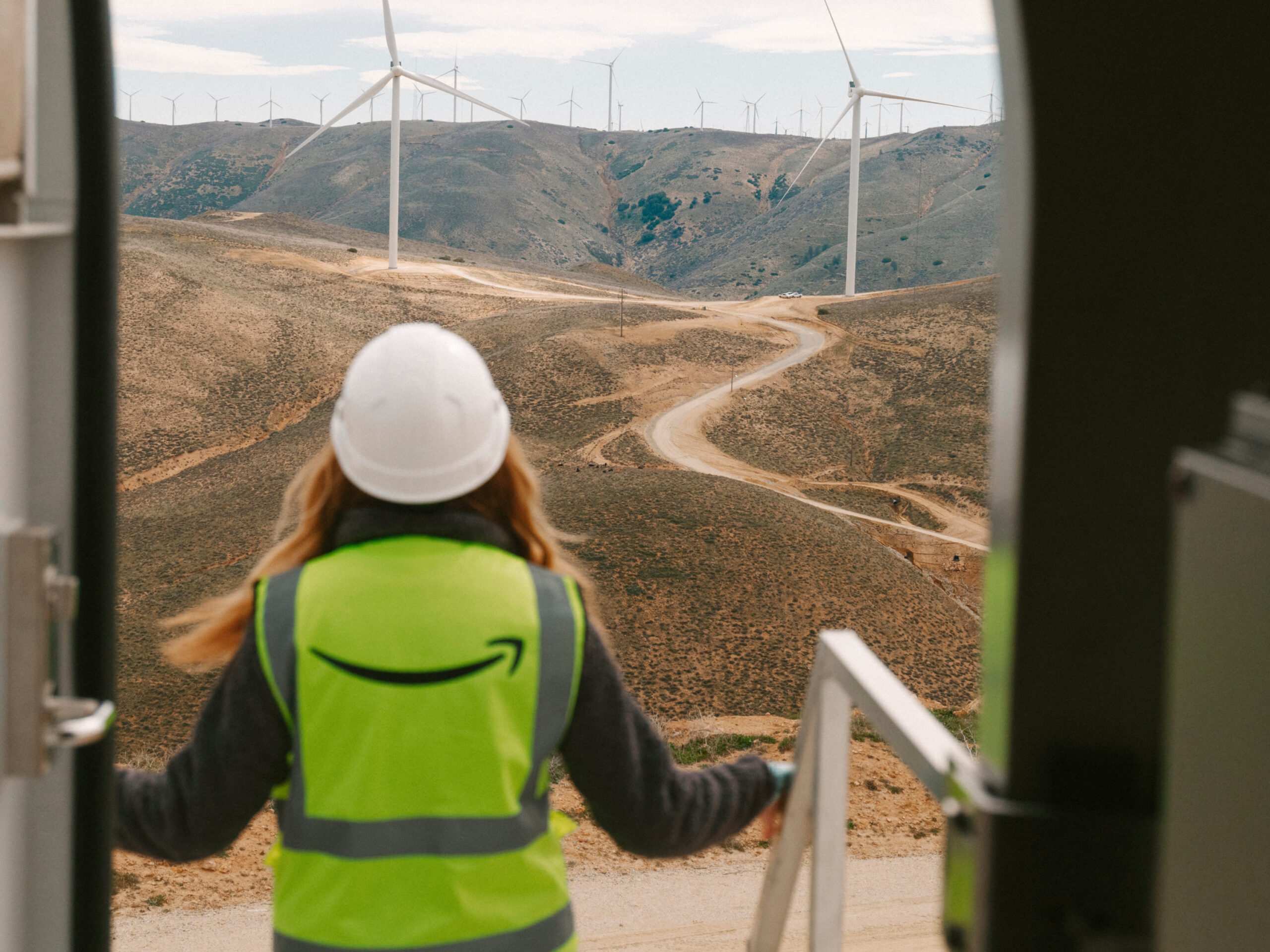
Amazon’s Carbon Footprint Increases by 16% in 2025
Amazon witnessed a 16% increase in its carbon footprint in 2025, emitting nearly 80.9 million metric tons of carbon dioxide equivalent. This surge in emissions is higher than the entire nation of New Zealand’s emissions.
The comprehensive sustainability report by Amazon reveals detailed insights into its carbon sources, water usage, and environmental impacts.
The primary factor contributing to the rise in carbon emissions was the increased energy consumption as Amazon and other tech giants strive to expand their data center capabilities to meet the growing demand for AI computing.
Furthermore, Amazon reported a rise in its “carbon intensity” for the first time since 2019, indicating a greater amount of carbon emitted per dollar of revenue. Despite these challenges, Amazon remains committed to achieving net-zero carbon emissions by 2040.

Despite the challenges, Amazon has made significant strides in various sustainability initiatives. Noteworthy achievements include:
- Data center efficiency: Amazon’s data centers are 9% more efficient than the public cloud average and 30% more efficient than on-premises data centers, directing energy primarily towards computing rather than cooling or lighting.
- Data center water use: Amazon is seven times more efficient in water usage than the industry average, primarily due to its utilization of air cooling at most sites throughout the year.
- 100% clean energy: Amazon has matched its company-wide electricity consumption with an equivalent amount of purchased clean energy for the third consecutive year.
- Electric vehicle fleet: With the largest corporate EV fleet in North America, Amazon has over 52,700 delivery vans worldwide and aims to reach 100,000 EVs by 2030.
Additionally, Amazon has made progress in reducing packaging waste, increasing the use of low-carbon building materials in data center construction, and moving towards becoming water positive at its data centers.
The Amazon-backed Climate Pledge, aimed at achieving net-zero carbon emissions by 2040, has garnered 656 signatories, including 107 new companies this year. This growth is significant amidst a backdrop where some companies are scaling back on climate commitments.
Despite the ongoing challenges posed by data center expansion, Amazon remains steadfast in its commitment to sustainability. CEO Andy Jassy projects a record $200 billion in capital expenditures this year, emphasizing investments in AI, chips, robotics, and low-Earth orbit satellites.
While some concerns have been raised internally regarding the environmental impact of data center growth, Amazon Employees for Climate Justice advocate for renewable energy requirements and labor protections, highlighting the complexities in balancing innovation with sustainability goals.
In conclusion, Amazon’s Chief Sustainability Officer, Kara Hurst, acknowledges the dual role of AI in either accelerating sustainability solutions or impeding progress towards climate goals. Despite the challenges, Amazon remains dedicated to investing, learning, and advancing towards resolving one of the world’s most pressing issues.













Unboxing the First Ever Samsung Galaxy S!!

Explore the Luxury Options with the New BMW i3 Configurator, Reaching a Price of $78,650

Microsoft Executive’s Warning: The Decline of App Pricing Power

Football Manager 27: Get Ready for Kickoff with the Ultimate Match Day Experience Trailer!

Google Pixel 11a: A Closer Look at the Familiar Design

Cerebras Systems’ Andrew Feldman: A Disruptive Force in 2026

The Halide Camera App Revolutionizes iPhone 18 Pro Photography with Full Aperture Control

Google Explores Paid Partnerships with Publishers for AI-Driven Search Results

Siri Home Hub: Apple’s Latest Smart Assistant Set to Debut on October 13

EU Takes Action Against Instagram and Facebook for Violating Illegal Content Rules

Warning: Facebook Creators Face Monetization Loss for Stealing and Reposting Videos

Facebook’s New Look: A Blend of Instagram’s Style

Facebook Compliance: ICE-tracking Page Removed After US Government Intervention

Facebook and Instagram to Reduce Personalized Ads for European Users

InstaDub: Meta’s AI Translation Tool for Instagram Videos

Reclaim Your Account: Facebook and Instagram Launch New Hub for Account Recovery

Meta discontinues Messenger apps for Windows and macOS

Breaking Updates: Meta Connect 2025 Unveils Latest Developments
Unboxing the First Ever Samsung Galaxy S!!

Huawei P Smart – Huawei’s new Killer Budget Smartphone!

MYSTERY Package from Xiaomi – HUGE UNBOXING!

5 ways you’re using your Smartphone wrong.

THE INSANE DUAL BATTERY SMARTPHONE!

ELEPHONE U PRO UNBOXING AND REVIEW!

Mrwhosetheboss – 1 Million Subscribers

The Surprising TRUTH about Samsung – 15 things you did not know.

10 Incredible Android DIY Hacks!
-
 Facebook11 months ago
EU Takes Action Against Instagram and Facebook for Violating Illegal Content Rules
-
 Facebook12 months ago
Warning: Facebook Creators Face Monetization Loss for Stealing and Reposting Videos
-
 Facebook10 months ago
Facebook’s New Look: A Blend of Instagram’s Style
-
 Facebook12 months ago
Facebook Compliance: ICE-tracking Page Removed After US Government Intervention
-
 Facebook10 months ago
Facebook and Instagram to Reduce Personalized Ads for European Users
-
 Facebook12 months ago
InstaDub: Meta’s AI Translation Tool for Instagram Videos
-
 Facebook10 months ago
Reclaim Your Account: Facebook and Instagram Launch New Hub for Account Recovery
-
 Apple11 months ago
Meta discontinues Messenger apps for Windows and macOS
