
Gadgets
From Xiaomi 14 to Google Pixel 10: My New Phone Journey

Summary generated by Smart Answers AI
In summary:
- Tech Advisor delves into a user’s transition from Xiaomi 14 to Google Pixel 10, emphasizing key differences in software experience and features.
- The Pixel 10 offers cleaner notifications, seven years of software support, and AI features like Call Screen and Magic Cue, despite slower 29W charging.
- While Xiaomi 14 excels with 90W fast charging and impressive camera specs, the Pixel provides more realistic photo output and seamless software-hardware integration.
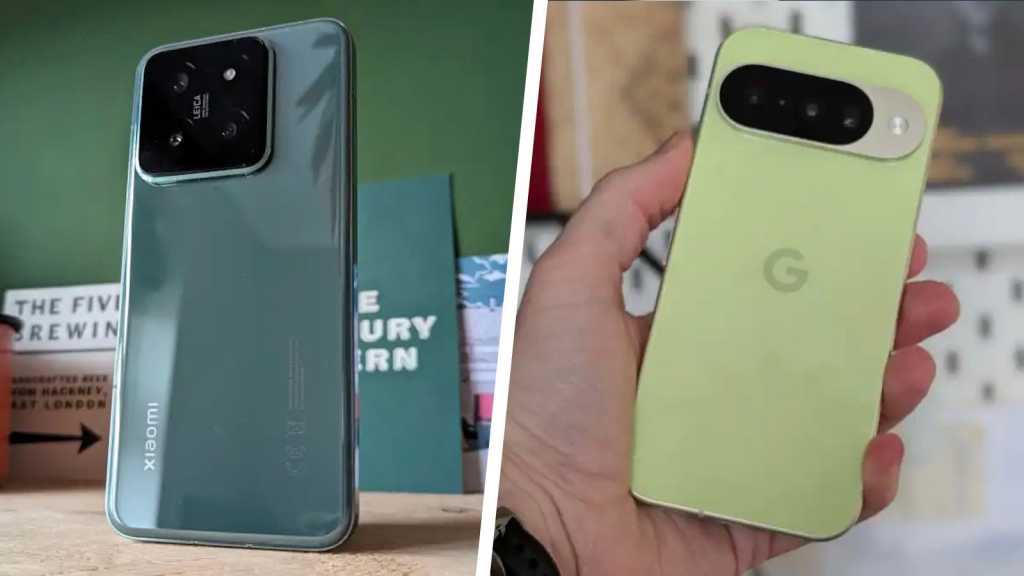
Having used the Xiaomi 14 since its release, equipped with Snapdragon 8 Gen 3, Leica cameras, and 90W charging that filled the battery in just over half an hour, it was undeniably a top-notch phone. Familiar with its workings and adept at navigating its shortcomings, I was content with it.
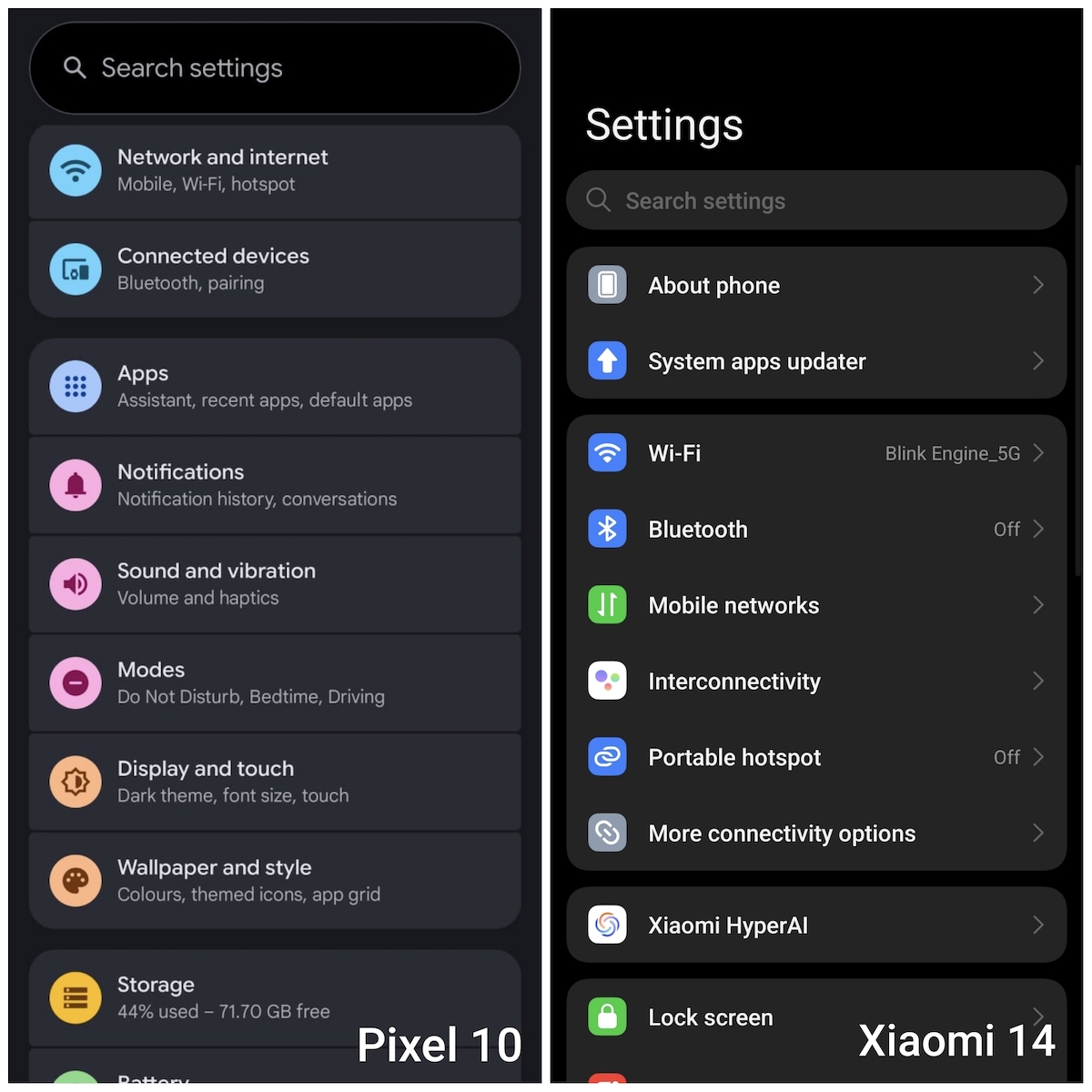
However, a New Year reset in January prompted me to switch to a Pixel 10. Anticipating a clean, stock UI with less bloatware, I soon realized there was more to discover.
The changes I encountered ranged from pleasantly surprising to slightly disappointing, with one aspect continuing to require adjustment even after months of using the Pixel 10.
The initial distinction that caught my attention wasn’t related to the camera
Nikhil Azza / Foundry
Upon waking up on the second day with the Pixel, I noticed something peculiar. There were no unnecessary notifications cluttering the screen. Gone were the random alerts from GetApps or the Themes app that I never requested. This newfound simplicity in notifications, a stark contrast to my experience with the Xiaomi 14, was surprisingly refreshing.
Unlike my previous phone, the Pixel’s notification panel only displayed information that I had explicitly requested. While this may seem like the standard approach, after using HyperOS for 18 months, it felt like a welcomed change.
Call Screen swiftly became an essential tool
Although aware of Call Screen before the switch, I didn’t anticipate relying on it as quickly as I did.
Call Screen’s functionality is simple: when an unknown number calls, a single tap allows Google AI to answer on your behalf. It prompts the caller for identification and purpose, displaying the transcribed response in real-time. This feature, which takes mere seconds to use, proved its worth within days.
Call Screen provides vital information without the need to answer the call
An incident in late January solidified the usefulness of Call Screen for me. A unfamiliar number called twice within a short span. Allowing Call Screen to handle the second call revealed a message about car insurance, swiftly declined without further engagement. Since then, I’ve relied on Call Screen over 50 times, a feature absent in Xiaomi’s offerings. The convenience of extracting essential information without answering calls is invaluable.
Camera performance extends beyond technical specifications
Nikhil Azza / Foundry
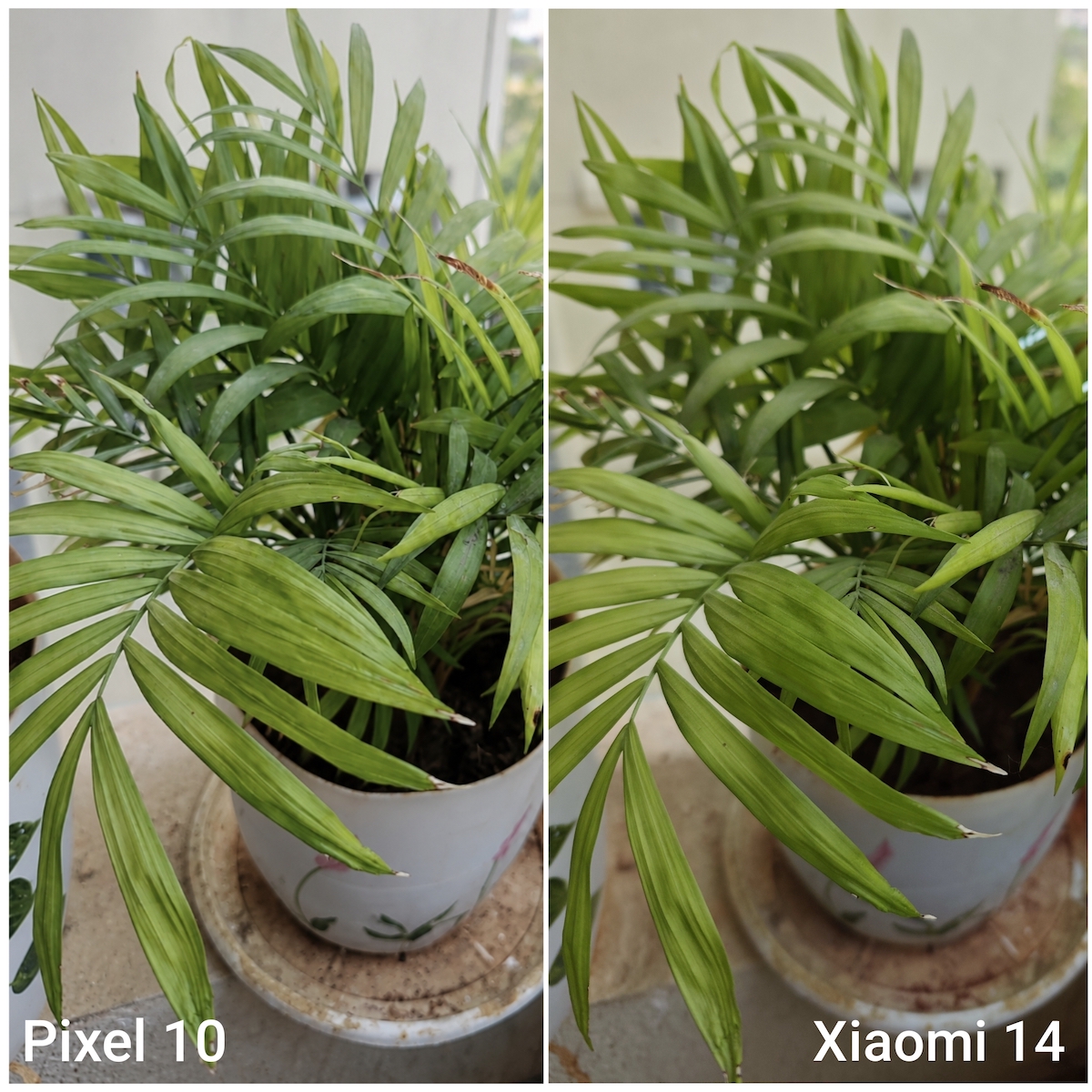
Despite the Xiaomi 14 boasting a triple 50Mp camera setup in collaboration with Leica, the Pixel 10’s 48Mp main sensor, though technically inferior, delivers more true-to-life images. The Pixel’s output maintains natural skin tones and texture, avoiding the over-smoothening often seen in Xiaomi’s processing.
Furthermore, Google’s inclusion of a 5X telephoto lens adds versatility to the Pixel’s camera capabilities, offering usable zoom levels up to 10X. Beyond that, Super Res Zoom at 20X comes into play, producing softer results.
Unveiling the underappreciated Magic Cue
Magic Cue, a unique feature of the Pixel 10, seamlessly integrates your Gmail, Calendar, and Messages to provide contextual information when needed, without explicit requests. A notable instance was during a call with an airline’s customer service, where my flight’s confirmation number spontaneously appeared on screen without any manual search or email access.
Utilizing Magic Cue has been effortless and accurate on multiple occasions
While cautious about the extent of information it accesses, I’ve found Magic Cue to be consistently reliable in surfacing relevant details. For instance, when asked about a meeting time by a colleague, Magic Cue promptly retrieved the calendar entry, streamlining the sharing process with a single tap.
In contrast, the Xiaomi 14 lacks a comparable feature, relegating AI functions to individual apps. The Pixel’s seamless integration of these capabilities across the system sets it apart.
Seamless software updates redefine the user experience
Nikhil Azza / Foundry
While the Xiaomi 14 received periodic updates, they followed Xiaomi’s schedule, often delaying security patches compared to Google’s immediate releases. In contrast, the Pixel 10 debuted with Android 16 on launch day, with regular security updates arriving within the first week of each month. The predictability and timeliness of these updates eliminated the need for manual checks, a stark contrast to the Xiaomi experience.
The highlight is the assured seven years of software support
What may seem insignificant becomes significant when accustomed to a phone where updates are sporadic. The promise of seven years of software support is a standout feature. While the longevity of the hardware remains uncertain, the software will remain current as long as I stick with it.
However, the charging speed revelation
With the Xiaomi 14’s rapid 90W charging, going from zero to full battery in around 40 minutes was a routine part of my day. Small habits formed around this quick top-up, ensuring I left the house with a comfortable charge level after just a few minutes on the charger.
29W charging in 2026 feels like a compromise, especially with Xiaomi’s 90W flagship offerings
Conversely, the Pixel 10’s 29W charging required approximately two hours for a full charge, highlighting a noticeable disparity. A brief 25-minute charge yielded only 38% battery, a significant shift from what I was accustomed to with the Xiaomi 14. While daily battery life is adequate, the slower charging speed demands earlier planning and eliminates the possibility of last-minute top-ups.
Although the Pixel 10 and Xiaomi 14 were initially priced at £799/$799 and £849 respectively, both now available at reduced rates, the decision to switch from the Xiaomi 14 entails sacrificing fast charging and a seemingly superior camera system on paper. In return, the Pixel 10 offers a cohesive user experience where software and hardware seamlessly intertwine, providing a serene daily usage environment. Noteworthy features like the notification system and Call Screen add value, with Google’s integrated ecosystem proving hard to relinquish once embraced.
Despite the slower charging speed of the Pixel being a key consideration, the remaining features are best discovered through personal experience.
For comprehensive recommendations on top flagship devices, explore our curated list of the finest phones we’ve evaluated.





Saudi Investors Eye Formation of Gaming Giant with EA and Savvy Games Merger

Furo Secures €3.44 Million Funding to Revolutionize Industrial Battery Storage

Apple’s Latest Innovation: iPhone Game Controllers in the Works

Apple Strengthens Sensor Technology with Acquisition of Sonera

The most Beautiful Android Games you’ve never played.

Exploring the Future: A Sneak Peek at the 2027 BMW i3 and the Evolution of the 3 Series

Polyarc’s Closure: A Bittersweet Farewell to Moss

Strategic Planning for Sustainable Farm Growth: A Comprehensive Guide to Financing, Weather Resilience, and Seasonal Cash Flow Management

Exciting News: iOS 27 Set to Launch Next Week!

EU Takes Action Against Instagram and Facebook for Violating Illegal Content Rules

Warning: Facebook Creators Face Monetization Loss for Stealing and Reposting Videos

Facebook’s New Look: A Blend of Instagram’s Style

Facebook Compliance: ICE-tracking Page Removed After US Government Intervention

Facebook and Instagram to Reduce Personalized Ads for European Users

InstaDub: Meta’s AI Translation Tool for Instagram Videos

Reclaim Your Account: Facebook and Instagram Launch New Hub for Account Recovery

Meta discontinues Messenger apps for Windows and macOS

Breaking Updates: Meta Connect 2025 Unveils Latest Developments
The most Beautiful Android Games you’ve never played.

Charge your Smartphone in 5 Minutes – How Batteries are about to Change!

10 CHEAP Smartphone Gadgets that Change Everything.

Huawei Mobile Cloud – The Huawei P20 Feature you didn’t know about!

PUBG MOBILE on Android – Disastrous or Revolutionary?

Why you should buy the Galaxy S8 right now.

Customize your Android Smartphone!

Xiaomi Mi Mix 2S Review – Beauty and the BEAST.

Samsung Galaxy X – New Info!
-
 Facebook11 months ago
EU Takes Action Against Instagram and Facebook for Violating Illegal Content Rules
-
 Facebook11 months ago
Warning: Facebook Creators Face Monetization Loss for Stealing and Reposting Videos
-
 Facebook9 months ago
Facebook’s New Look: A Blend of Instagram’s Style
-
 Facebook11 months ago
Facebook Compliance: ICE-tracking Page Removed After US Government Intervention
-
 Facebook9 months ago
Facebook and Instagram to Reduce Personalized Ads for European Users
-
 Facebook11 months ago
InstaDub: Meta’s AI Translation Tool for Instagram Videos
-
 Facebook9 months ago
Reclaim Your Account: Facebook and Instagram Launch New Hub for Account Recovery
-
 Apple11 months ago
Meta discontinues Messenger apps for Windows and macOS
