
Cars
Call for Stronger Regulations on Connected-Car Data in Australia

Australian Electric Vehicle Association Calls for Tougher Laws on Connected Vehicles
The Australian Electric Vehicle Association (AEVA) is urging the federal government to implement stricter regulations for the increasing number of internet-connected ‘connected vehicles’ on Australian roads. The organization is concerned about the privacy and security risks posed by the current framework, which relies on the Privacy Act 1988 and industry standards that may not adequately protect motorists or clarify how vehicle data is collected, used, shared, and owned.
According to the AEVA, as the use of internet-enabled vehicles grows, with an estimated 95% of new vehicles expected to be connected by 2035, there is a pressing need for intervention to address consumer protection and national security threats.
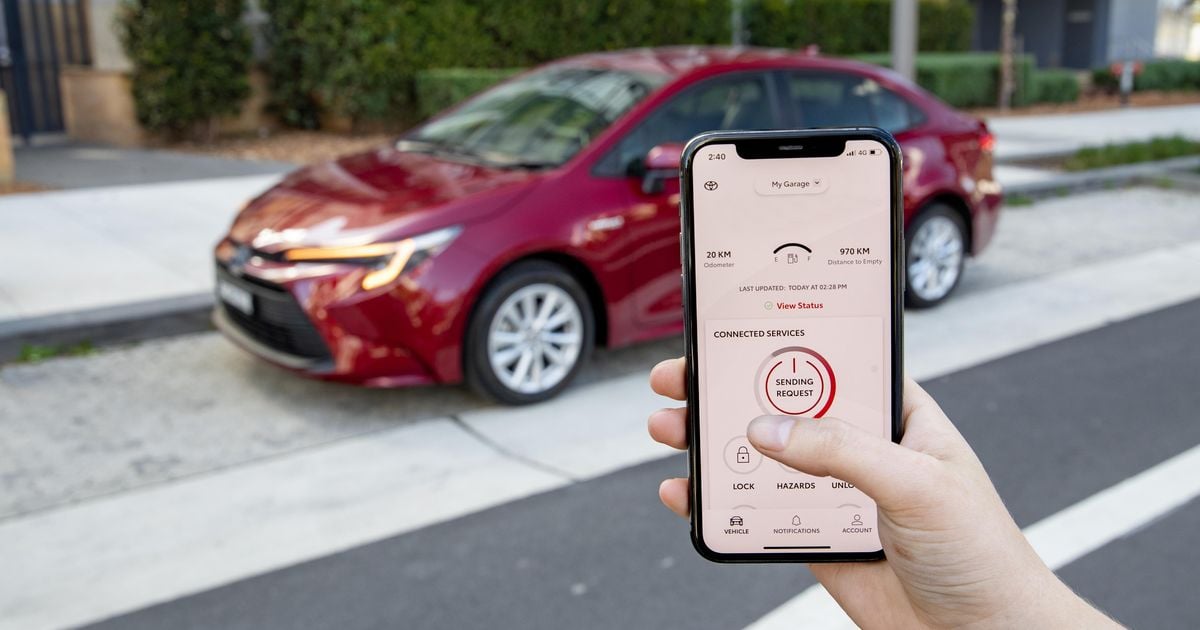
Major automotive brands like Ford, Toyota, BYD, GWM, and Tesla offer connected services that allow vehicles to communicate over the internet through smartphone apps or built-in SIM cards. These services are available across a range of vehicle types, including petrol, diesel, hybrid, and electric vehicles.
The AEVA emphasizes that the security risks associated with connected vehicles extend beyond electric vehicles to any modern vehicle equipped with internal SIM cards or telematics systems capable of transmitting data externally.
AEVA President James Pickering stated that current data privacy legislation in Australia falls short, leaving consumers vulnerable. The organization is advocating for comprehensive policy solutions to be adopted, drawing inspiration from regulations in Europe and China.
Europe, for example, has implemented the General Data Protection Regulation (GDPR) and cybersecurity regulations for new vehicles, while the European Union’s Data Act grants legal rights to access vehicle-generated data. Similarly, China has introduced rules on automotive data security and cross-border data transfer guidelines.
The AEVA’s recommendations include keeping sensitive data within vehicles, storing data in Australian cloud infrastructure, implementing mandatory cybersecurity requirements, and requiring active consent for data collection. The organization also calls for transparency in data collection and sharing, allowing consumers to access and delete their vehicle data.
By advocating for stronger regulations and consumer rights, the AEVA aims to strike a balance between connectivity and privacy in the automotive industry. The organization believes that empowering consumers and independent repairers with access to vehicle data is crucial for maintaining transparency and security in the digital age.
For more information on cybersecurity concerns related to Chinese vehicles, Zeekr has responded to address these issues.












The Challenges Faced by Enterprise Agent Pilots in Reaching Deployment Success

The LG G7 has a Big Problem.

Score $2000 Cashback on the MG 4 Urban – Drive Away for Only $29,990!

Fungal Fury: A Mycelial Roguelike Adventure in Early Access

The Top 9 Game-Changing Startups Unveiled at Y Combinator’s Demo Day, as Voted by Venture Capitalists

Tim Cook’s $47M Apple Pay: The CEO Standard

Rare Sighting: Eight Ferrari F40 Supercars Converge in Paris

Saudi Investors Eye Formation of Gaming Giant with EA and Savvy Games Merger

Furo Secures €3.44 Million Funding to Revolutionize Industrial Battery Storage

EU Takes Action Against Instagram and Facebook for Violating Illegal Content Rules

Warning: Facebook Creators Face Monetization Loss for Stealing and Reposting Videos

Facebook Compliance: ICE-tracking Page Removed After US Government Intervention

Facebook’s New Look: A Blend of Instagram’s Style

Facebook and Instagram to Reduce Personalized Ads for European Users

InstaDub: Meta’s AI Translation Tool for Instagram Videos

Reclaim Your Account: Facebook and Instagram Launch New Hub for Account Recovery

Meta discontinues Messenger apps for Windows and macOS

Breaking Updates: Meta Connect 2025 Unveils Latest Developments
The LG G7 has a Big Problem.

The most Beautiful Android Games you’ve never played.

Charge your Smartphone in 5 Minutes – How Batteries are about to Change!

10 CHEAP Smartphone Gadgets that Change Everything.

Huawei Mobile Cloud – The Huawei P20 Feature you didn’t know about!

PUBG MOBILE on Android – Disastrous or Revolutionary?

Why you should buy the Galaxy S8 right now.

Customize your Android Smartphone!

Xiaomi Mi Mix 2S Review – Beauty and the BEAST.
-
 Facebook11 months ago
EU Takes Action Against Instagram and Facebook for Violating Illegal Content Rules
-
 Facebook11 months ago
Warning: Facebook Creators Face Monetization Loss for Stealing and Reposting Videos
-
 Facebook11 months ago
Facebook Compliance: ICE-tracking Page Removed After US Government Intervention
-
 Facebook9 months ago
Facebook’s New Look: A Blend of Instagram’s Style
-
 Facebook9 months ago
Facebook and Instagram to Reduce Personalized Ads for European Users
-
 Facebook11 months ago
InstaDub: Meta’s AI Translation Tool for Instagram Videos
-
 Facebook9 months ago
Reclaim Your Account: Facebook and Instagram Launch New Hub for Account Recovery
-
 Apple11 months ago
Meta discontinues Messenger apps for Windows and macOS
