
Startups
Navigating the Office Space Hunt: A Startup’s Guide

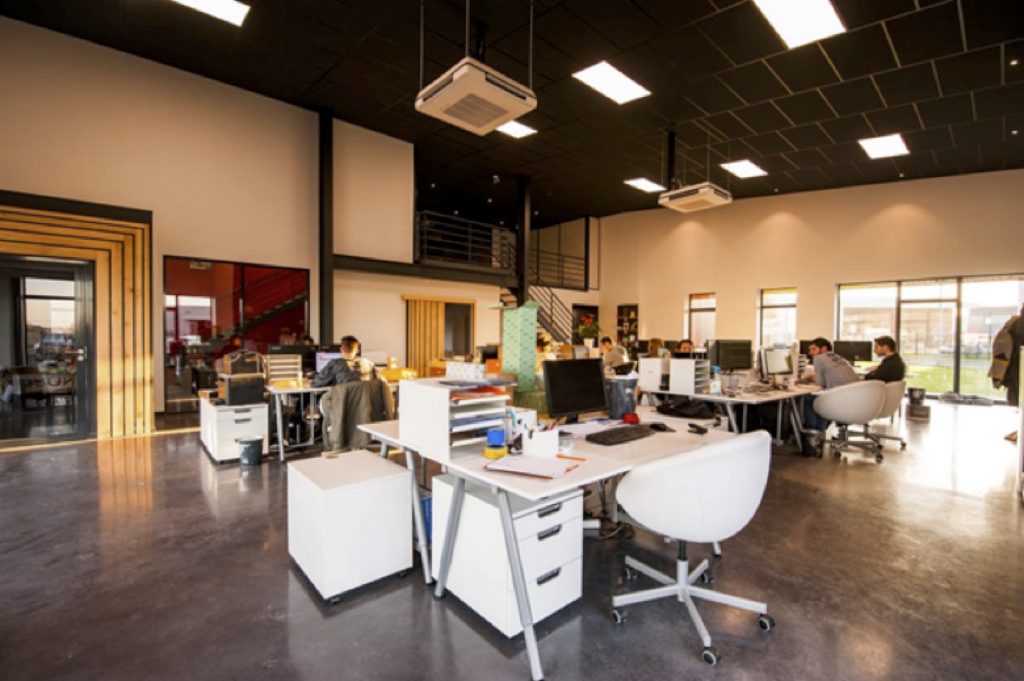
Optimizing Startup Office Space for Growth and Success
When a startup begins to grow, there comes a pivotal moment where the dynamics of the workspace shift. What once started as a small team working from various locations like home, coffee shops, or shared workspaces, suddenly evolves into a larger team needing more structured office space. This transition from a remote-first setup to a more traditional office environment can be challenging yet crucial for a startup’s continued growth.
Choosing the right office space for a startup is not just about selecting a physical location; it’s about setting the stage for how the team collaborates, innovates, and navigates the challenges of rapid expansion. Before rushing to sign a lease, it’s essential to pause and assess what the startup truly needs in terms of office space.
Assessing Your Office Space Needs
Startups often fall into the trap of overestimating their office requirements in the early stages. While visions of rapid growth and trendy office spaces might be enticing, practical considerations should take precedence. It’s crucial to ask specific questions to determine the actual needs of the team:
- How many team members require physical office space?
- Is the company planning for a hybrid or fully in-person work model?
- Do employees need dedicated areas for focused work?
- How frequently do clients visit the office?
- Is ample meeting space a priority?
- Is the chosen space scalable enough to accommodate future growth?
It’s important to remember that a startup doesn’t necessarily need a sprawling office space just because they anticipate rapid hiring in the future. Overspending on office space can strain the company’s finances and hinder flexibility as the business evolves.
The Role of Coworking Spaces in Modern Work Environments
A decade ago, startups had limited options when it came to office spaces – expensive leases or makeshift setups in unconventional locations. However, the rise of coworking spaces has revolutionized the way startups approach office accommodations. Coworking spaces offer several advantages for early-stage companies, including:
- Flexible lease agreements
- Shared amenities and facilities
- Networking opportunities within a vibrant community
- Lower upfront costs compared to traditional office leases
- Ready-to-use infrastructure for immediate setup
For startups, avoiding long-term commitments associated with commercial leases can provide much-needed breathing room, especially during periods of unpredictable growth. The flexibility offered by coworking spaces can be a strategic advantage for startups looking to scale efficiently.
Strategic Location Considerations
Despite the shift towards remote work arrangements, the physical location of an office still holds significance for startups. The choice of office location can impact various aspects of the business, including:
- Recruitment efforts and talent acquisition
- Employee satisfaction with commute options
- Client perceptions and accessibility
- Networking opportunities within industry ecosystems
- Overall company culture and identity
While proximity to innovation hubs can foster organic connections and collaborations for tech startups, the necessity of expensive central locations has diminished in the current work landscape. Sometimes, choosing a slightly less trendy area with better amenities like parking and public transport can enhance the overall employee experience and productivity.
Importance of Thoughtful Office Design
Office design goes beyond aesthetics; it plays a crucial role in shaping the work environment and employee experience. Poorly designed workspaces can inadvertently hamper productivity and morale within the team. When considering office design, startups should prioritize elements such as:
- Natural light and ventilation
- Acoustic privacy for focused work
- Air quality and overall wellness factors
- Ergonomic furniture for comfort and health
- Availability of meeting spaces for collaboration
- Reliable internet connectivity for seamless operations
Underestimating the importance of office design, especially in terms of functionality and employee well-being, can have long-term consequences on the team’s performance and satisfaction. Ensuring a conducive work environment is essential for fostering creativity and productivity within the startup.
Strategic Lease Considerations for Startup Offices
Securing an office space involves more than just rent payments; lease terms can significantly impact a startup’s financial health. It’s essential for founders to carefully review lease agreements and consider aspects such as:
- Lease duration and flexibility for growth
- Break clauses for early termination options
- Potential rent escalations over the lease term
- Responsibilities for office fit-outs and maintenance
- Flexibility for future expansion or downsizing
Commercial leases are complex documents that often require negotiation to align with the startup’s evolving needs. Rushing into a lease agreement without understanding the implications can lead to financial strain and operational challenges down the line. Seeking legal advice to review lease terms can prevent costly mistakes and ensure the startup’s interests are protected.
Adapting to Hybrid Work Trends in Office Planning
The rise of hybrid work models has reshaped office planning strategies for startups. Instead of assigning fixed desks to every employee, companies are now prioritizing flexible and collaborative spaces that support varying work styles. Key considerations in modern office planning include:
- Designated collaboration zones for team projects
- Flexible seating arrangements to accommodate different preferences
- Dedicated meeting spaces for discussions and presentations
- Social areas for informal interactions and team bonding
- Hot-desking setups to promote flexibility and mobility
Rather than viewing the office as a static workspace, startups are recognizing its role in fostering company culture, teamwork, and innovation. Creating an environment that prioritizes collaboration and adaptability can lead to a more engaged and productive workforce.
Financial Considerations Beyond Rent
While rent is a significant expense, startups often underestimate the additional costs associated with maintaining an office space. Factors such as utilities, internet services, cleaning, security, furniture, insurance, fit-outs, maintenance, office supplies, and parking expenses can quickly accumulate. Even seemingly minor details like coffee machines can impact the overall budget significantly.
Anticipating and budgeting for these hidden costs is essential for financial planning and sustainability. Startups should be mindful of ongoing expenses and factor them into their operational budgets to avoid unexpected financial strain.
Importance of Comprehensive Insurance Coverage
Securing appropriate insurance coverage for the office space is a critical yet often overlooked aspect of risk management for startups. Office environments are susceptible to various risks, including theft, fire, water damage, vandalism, equipment failures, and liability claims. Given the reliance on expensive technology and equipment, the financial implications of unforeseen events can be severe.
Commercial property insurance provides protection for office contents, business equipment, physical premises, inventory, and operational interruptions. It’s essential for startups to assess their insurance needs based on the specific risks they face and ensure that coverage aligns with their business requirements. Many landlords also require proof of insurance before finalizing lease agreements, making it a non-negotiable aspect of office space management.
Strategic Planning for Future Growth
While every startup aspires to scale rapidly, prudent office space planning involves balancing optimism with realism. A well-designed startup office should allow for some degree of expansion, layout flexibility, scalable infrastructure, and adaptable seating arrangements without committing to excessive long-term leases. Growth trajectories in startups are rarely linear, and the ability to pivot and adjust to changing circumstances is crucial.
Flexibility in office space planning enables startups to navigate unexpected growth spurts, hiring freezes, or shifts towards remote work seamlessly. Rather than fixating on predicting the future accurately, startups should prioritize creating an adaptable workspace that can evolve alongside the business’s needs.
Cultivating Company Culture through Physical Spaces
Office environments play a significant role in shaping company culture and employee experiences. The design, layout, and amenities of an office space can influence communication, collaboration, morale, energy levels, and relationships within the team. Thoughtful office planning can foster a sense of connection and belonging among employees, while poorly designed spaces can breed frustration and disengagement.
Even seemingly minor details like access to natural light, minimal disruptions during meetings, and overall comfort can impact how employees perceive their work environment. Creating a workspace that aligns with the company’s values and fosters a positive culture is instrumental in driving employee engagement and satisfaction.
Conclusion: Setting the Stage for Startup Success
Choosing the right office space for a startup is not just a logistical decision; it’s a strategic investment in the company’s future. An ideal office environment should support productivity, collaboration, flexibility, financial sustainability, and company culture without compromising operational efficiency. While flashy office spaces may garner attention, practical and adaptable workspaces tailored to the team’s needs often yield greater benefits in the long run.
Startups embarking on the journey of securing office space should start with a clear assessment of their requirements, stay flexible in their approach, scrutinize lease terms meticulously, and prioritize essential safeguards like insurance coverage. By focusing on creating a workspace that nurtures growth and innovation while mitigating potential challenges, startups can lay the groundwork for sustainable success in a dynamic business landscape.
Remember, the best startup office space isn’t necessarily the most extravagant one; it’s the one that empowers the team to thrive and adapt without hindrances along the way.













Arizona Sunshine: Unleashing the Doggy Co-op Mode in January

International Collaboration: Surrey, Sheffield, and Melbourne Join Forces on £3.2m Project to Create Provably Secure Sandbox for AI Agents

Tech Advisor Announces Samsung Galaxy Phones Now Available on Google Play Store

Exploring the Boundaries of Physical AI: Insights from an Nvidia Veteran Turned Investor

The Latest Updates on Apple’s iPhone Duo

Google Unveils Revolutionary ‘Universal’ Online Shopping Cart for Seamless Shopping Experience

Upgrade Alert: HomePod Mini 2 and HomePod 2 Set to Become Default Mac Speakers

Finally Fixing my Wi-Fi – Zyxel Multy X!

Lost in the Living Maze: Unraveling Hidden Terrain Magic Through Copy-Paste

EU Takes Action Against Instagram and Facebook for Violating Illegal Content Rules

Warning: Facebook Creators Face Monetization Loss for Stealing and Reposting Videos

Facebook’s New Look: A Blend of Instagram’s Style

Facebook Compliance: ICE-tracking Page Removed After US Government Intervention

Facebook and Instagram to Reduce Personalized Ads for European Users

InstaDub: Meta’s AI Translation Tool for Instagram Videos

Reclaim Your Account: Facebook and Instagram Launch New Hub for Account Recovery

Meta discontinues Messenger apps for Windows and macOS

Breaking Updates: Meta Connect 2025 Unveils Latest Developments
Finally Fixing my Wi-Fi – Zyxel Multy X!

$25,000 Gaming Setup – EVOLUTION!

The Maze Alpha X is HERE!

Cool Tech under $100 – December!

MYSTERY UNBOXING FROM GOOGLE!

TOP 6 Smartphones from Companies you NEVER Expected!

A Surprise Smartphone from EE!

DOOGEE MIX 2 VS DOOGEE MIX 1!

INCREDIBLE Smartphone Gadgets on Amazon!
-
 Facebook12 months ago
EU Takes Action Against Instagram and Facebook for Violating Illegal Content Rules
-
 Facebook1 year ago
Warning: Facebook Creators Face Monetization Loss for Stealing and Reposting Videos
-
 Facebook10 months ago
Facebook’s New Look: A Blend of Instagram’s Style
-
 Facebook1 year ago
Facebook Compliance: ICE-tracking Page Removed After US Government Intervention
-
 Facebook10 months ago
Facebook and Instagram to Reduce Personalized Ads for European Users
-
 Facebook1 year ago
InstaDub: Meta’s AI Translation Tool for Instagram Videos
-
 Facebook11 months ago
Reclaim Your Account: Facebook and Instagram Launch New Hub for Account Recovery
-
 Apple12 months ago
Meta discontinues Messenger apps for Windows and macOS
