
AI
The Nvidia H200 China Deal: A Tale of Approval and Blockage

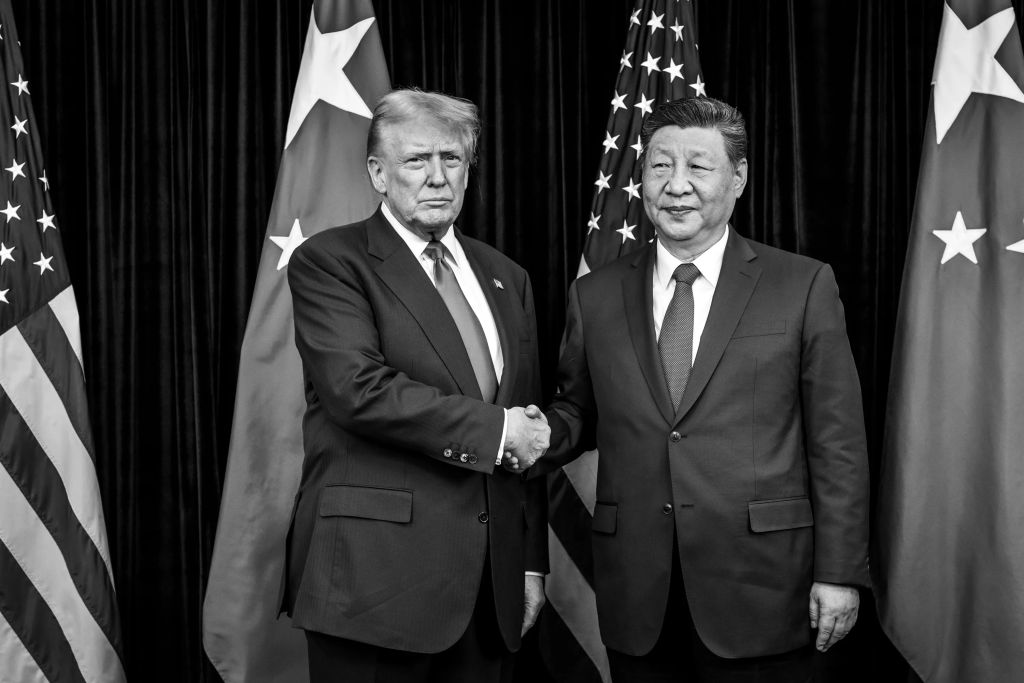
During a recent summit in Beijing, President Trump raised concerns about chip exports, specifically mentioning Nvidia’s H200 model. Despite Trump authorizing sales in December 2025, no Nvidia H200 chips have been shipped to China. US Trade Representative Jamieson Greer even confirmed that semiconductor controls were not on the bilateral agenda.
However, beneath the surface, the issue lies not with Washington’s restrictions but with Beijing’s regulations. Several Chinese firms, including Alibaba, Tencent, ByteDance, and JD.com, have received US export licenses for the Nvidia H200 chips. Lenovo and Foxconn are also authorized as distributors. The deadlock arises because Beijing has instructed Chinese companies to limit their use of Nvidia chips to overseas operations while promoting domestic manufacturing.
Two frameworks, one deadlock
This impasse is a result of conflicting requirements. US rules dictate that H200 chips ordered by Chinese clients must be used solely in China, while Beijing mandates that Chinese tech companies restrict Nvidia chip usage to international operations and prioritize domestic suppliers like Huawei. This policy contradiction has led to a standstill in chip deliveries.
Commerce Secretary Howard Lutnick highlighted in a recent Senate hearing that Chinese firms are focusing on domestic suppliers like Huawei to reduce reliance on US semiconductors. Beijing’s State Council has also initiated a supply-chain security review to further minimize dependence on American chips.
What Huawei gained while diplomats talked
Amidst diplomatic conversations, significant developments have taken place. DeepSeek optimized its latest model for Huawei processors, Tencent announced an increase in Chinese GPU supply, and Alibaba’s T-Head GPUs entered mass production. These advancements underscore a strategic shift towards Huawei’s chips in Chinese tech infrastructure.
As a result, Nvidia’s revenue from China has plummeted, with the company projecting zero revenue from the country in the current quarter. The shift towards Huawei’s chips signals a long-term policy change rather than a temporary trade issue.
The read for the AI industry
The standoff between the US and China over chip exports has broader implications for the AI industry. Beijing’s directive to prioritize Huawei’s compute stack over Nvidia’s H200s signifies a structural shift in hardware architecture preferences. This strategic move could shape the trajectory of AI development in China.
Despite Trump’s remarks and Greer’s acknowledgment of China’s sovereignty in decision-making, the current status quo remains unchanged: the H200 deal is approved but frozen, allowing Huawei to fill the void left by Nvidia.
(Image source: The White House)
See Also: Can China’s chip stacking strategy really challenge Nvidia’s AI dominance?

Want to learn more about AI and big data from industry leaders? Check out AI & Big Data Expo taking place in Amsterdam, California, and London. The comprehensive event is part of TechEx and co-located with other leading technology events. Click here for more information.
AI News is powered by TechForge Media. Explore other upcoming enterprise technology events and webinars here.









Unleashing Power: The Mercedes-AMG GT 63 Pro Hits Malaysian Roads at RM 2.09 million

Revised Game++: Conquering Bugs and Keeping Pants Intact

Power Players: Europe’s Top AI Influencers

Beware: The Secret iOS 27 Setting That’s Sapping Your Battery Life

Concept Smartphones that are better than Real Smartphones

Unwrapping the Power: A Digital Look at BMW’s Electric M3 Body Wrap

Shadow Ops: Covert Extraction

Mastering the Fundamentals of Business Auditing

Apple Unveils Stunning Images Captured with ‘iPhone Duo’ Camera

EU Takes Action Against Instagram and Facebook for Violating Illegal Content Rules

Warning: Facebook Creators Face Monetization Loss for Stealing and Reposting Videos

Facebook’s New Look: A Blend of Instagram’s Style

Facebook Compliance: ICE-tracking Page Removed After US Government Intervention

Facebook and Instagram to Reduce Personalized Ads for European Users

InstaDub: Meta’s AI Translation Tool for Instagram Videos

Reclaim Your Account: Facebook and Instagram Launch New Hub for Account Recovery

Meta discontinues Messenger apps for Windows and macOS

Breaking Updates: Meta Connect 2025 Unveils Latest Developments
Concept Smartphones that are better than Real Smartphones

Samsung Galaxy SII Unboxing!

The SECRET to Maximise Smartphone Battery Life?

We Designed the Ultimate Gaming Smartphone of 2018!

Using the Cheapest Smartphone in the World.

Samsung Galaxy S9+ Unboxing! (Clone)

Unboxing the First Ever Samsung Galaxy S!!

Huawei P Smart – Huawei’s new Killer Budget Smartphone!

MYSTERY Package from Xiaomi – HUGE UNBOXING!
-
 Facebook11 months ago
EU Takes Action Against Instagram and Facebook for Violating Illegal Content Rules
-
 Facebook12 months ago
Warning: Facebook Creators Face Monetization Loss for Stealing and Reposting Videos
-
 Facebook10 months ago
Facebook’s New Look: A Blend of Instagram’s Style
-
 Facebook12 months ago
Facebook Compliance: ICE-tracking Page Removed After US Government Intervention
-
 Facebook10 months ago
Facebook and Instagram to Reduce Personalized Ads for European Users
-
 Facebook12 months ago
InstaDub: Meta’s AI Translation Tool for Instagram Videos
-
 Facebook10 months ago
Reclaim Your Account: Facebook and Instagram Launch New Hub for Account Recovery
-
 Apple12 months ago
Meta discontinues Messenger apps for Windows and macOS
