
Inovation
Germany Invests €659m in Semiconductor Manufacturing Expansion

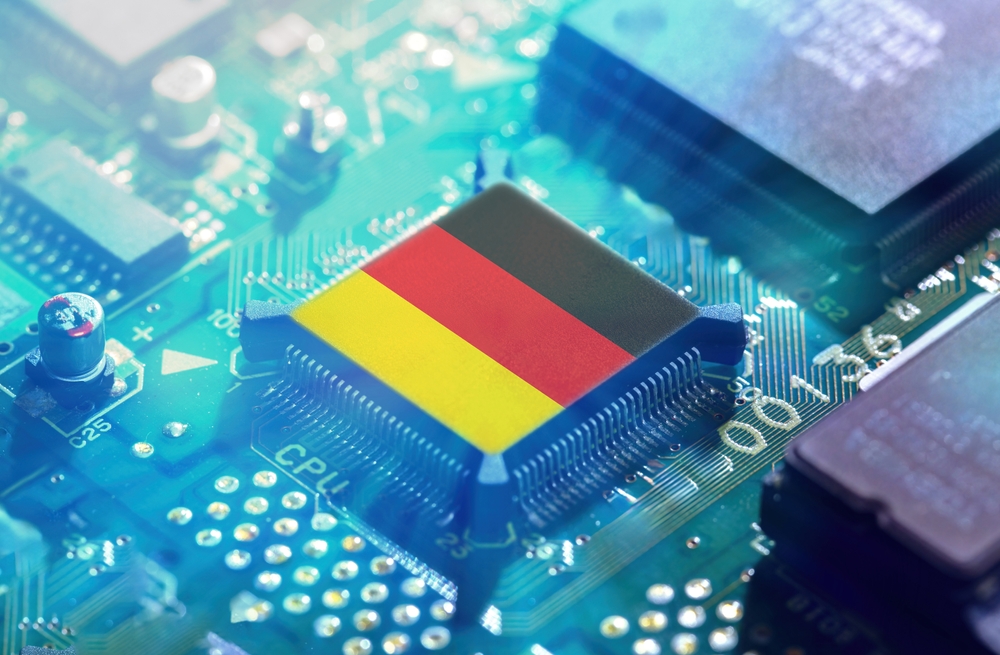
Boosting Europe’s Semiconductor Industry: €659 Million State Aid Approved by the European Commission
The European Commission has given the green light to €659 million in German State aid to bolster the semiconductor value chain with the establishment of groundbreaking facilities. This move aims to enhance the EU’s position and autonomy in the semiconductor sector and aligns with the goals outlined in the Commission’s Communication on ‘A Chips Act for Europe’ and the 2024-2029 Political Guidelines.
Direct Grants for Semiconductor Facilities in Germany
- €353 million allocated to SME Element 3-5 GmbH for a facility in Baesweiler, North Rhine-Westphalia, focusing on silicon carbide epi-wafers manufacturing.
- €214 million earmarked for Vishay Siliconix Itzehoe GmbH to establish a facility in Itzehoe, Schleswig-Holstein, for the production of N- and P-channel Silicon Power MOSFETs.
- €74.4 million granted to KLA-Tencor MIE GmbH for a facility in Weilburg, Hesse, dedicated to manufacturing advanced optical overlay and film metrology equipment.
- €17.9 million provided to KETEK GmbH for a facility in Munich, Bavaria, specializing in the production of Silicon Drift Detectors (SDDs) and Graphene Radiation Entry Windows (GREW).
All funding for these projects is a joint effort between the federal budget and the respective Länder authorities.
Supporting Innovation and Advancements in Semiconductor Technology
The approved aid will enable the construction of first-of-a-kind facilities, each contributing uniquely to the semiconductor value chain. Element 3-5, Vishay, KLA, and KETEK will introduce innovative technologies and processes, fostering advancements in energy efficiency, manufacturing quality, and overall industry competitiveness.
Commitments and Collaborations
- Ensuring a broader impact on the EU semiconductor value chain.
- Enhancing partnerships with universities and research institutions.
- Prioritizing order fulfillment in case of supply shortages.
- Developing specialized training programs for a skilled workforce.
- Agreeing to share potential project-related profits with Germany.
Commission’s Assessment and Approval
The European Commission’s evaluation under EU State aid rules concluded that the German measures facilitate economic development, encourage innovation, and have a limited impact on competition within the EU. The approved aid is deemed necessary, proportionate, and aligned with the objectives of the European Chips Act, ensuring the resilience and security of Europe’s semiconductor supply chain.
Executive Vice-President Teresa Ribera lauded the approval, emphasizing its significance in advancing Europe’s technological sovereignty and competitiveness in the semiconductor industry.













Upgrade Alert: HomePod Mini 2 and HomePod 2 Set to Become Default Mac Speakers

Finally Fixing my Wi-Fi – Zyxel Multy X!

Lost in the Living Maze: Unraveling Hidden Terrain Magic Through Copy-Paste

Samsung Unveils Exclusive Galaxy Z Fold 8 BTS Edition

Navigating the Digital World: Expert Tech Advice for Everyman

OMass Therapeutics Secures €275 Million Funding to Advance Innovative Small-Molecule Therapies

The Evolution of Apple’s Smart Home Strategy: A Closer Look at Their Own Devices

Unveiling the Imposter: The Truth Behind the Fake WhatsApp Clone on the Play Store

Digital Protection: How a 1988 Law Could Safeguard Your Online Viewing Experience

EU Takes Action Against Instagram and Facebook for Violating Illegal Content Rules

Warning: Facebook Creators Face Monetization Loss for Stealing and Reposting Videos

Facebook’s New Look: A Blend of Instagram’s Style

Facebook Compliance: ICE-tracking Page Removed After US Government Intervention

Facebook and Instagram to Reduce Personalized Ads for European Users

InstaDub: Meta’s AI Translation Tool for Instagram Videos

Reclaim Your Account: Facebook and Instagram Launch New Hub for Account Recovery

Meta discontinues Messenger apps for Windows and macOS

Breaking Updates: Meta Connect 2025 Unveils Latest Developments
Finally Fixing my Wi-Fi – Zyxel Multy X!

$25,000 Gaming Setup – EVOLUTION!

The Maze Alpha X is HERE!

Cool Tech under $100 – December!

MYSTERY UNBOXING FROM GOOGLE!

TOP 6 Smartphones from Companies you NEVER Expected!

A Surprise Smartphone from EE!

DOOGEE MIX 2 VS DOOGEE MIX 1!

INCREDIBLE Smartphone Gadgets on Amazon!
-
 Facebook12 months ago
EU Takes Action Against Instagram and Facebook for Violating Illegal Content Rules
-
 Facebook1 year ago
Warning: Facebook Creators Face Monetization Loss for Stealing and Reposting Videos
-
 Facebook10 months ago
Facebook’s New Look: A Blend of Instagram’s Style
-
 Facebook1 year ago
Facebook Compliance: ICE-tracking Page Removed After US Government Intervention
-
 Facebook10 months ago
Facebook and Instagram to Reduce Personalized Ads for European Users
-
 Facebook1 year ago
InstaDub: Meta’s AI Translation Tool for Instagram Videos
-
 Facebook11 months ago
Reclaim Your Account: Facebook and Instagram Launch New Hub for Account Recovery
-
 Apple12 months ago
Meta discontinues Messenger apps for Windows and macOS
