
Cars
Future Incentives: Electric BMWs Eligible for Up to €6,000 Funding in 2026

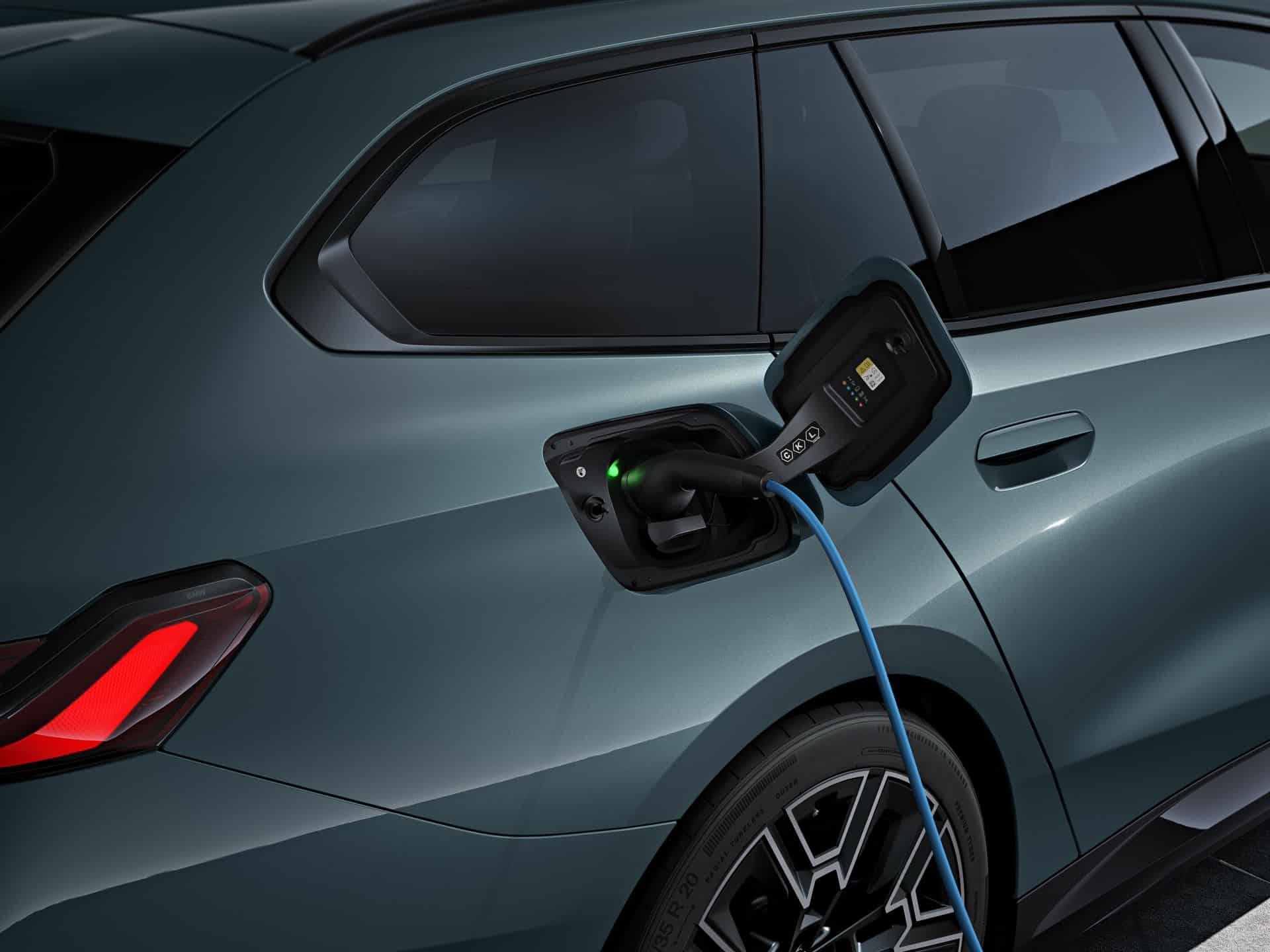
The German Government’s New Electric Vehicle Incentive Program
The German government has recently introduced a groundbreaking electric vehicle incentive program that will offer subsidies of up to €6,000 for battery-electric vehicles and up to €4,500 for plug-in hybrids starting in 2026. This initiative, funded by €3 billion from the Climate and Transformation Fund, signals a significant shift in Germany’s strategy to promote electromobility.
Income-Based Subsidy Structure
Unlike previous programs, the 2026 subsidy features a tiered system based on household income. Families with lower incomes and children can qualify for the maximum subsidy. For instance, households with taxable annual income up to €45,000 and two or more children under 18 may receive the full €6,000 for a battery-electric vehicle. The base subsidy starts at €3,000 for BEVs and €1,500 for PHEVs, with additional amounts based on income brackets and number of children.
The program sets the eligibility cap at €80,000 in taxable household income, with the limit increasing by €5,000 per child (up to two children), potentially reaching €90,000 for families with two or more children. This threshold aligns with the median income of new car buyers in Germany, making it possible for approximately half of private new car purchasers to qualify.
No Price Cap on Vehicles
In a departure from previous subsidy programs, there is no maximum purchase price limit for vehicles under the new subsidy. This means that even high-end models like the BMW i7 M70 xDrive or iX M70 could potentially qualify for the incentive, provided the buyer meets the income criteria. However, this approach has faced criticism for allowing very expensive and powerful vehicles to benefit from taxpayer-funded incentives.
Plug-in Hybrid Requirements
To be eligible for the subsidy, plug-in hybrids must meet specific environmental criteria until June 30, 2027, such as CO₂ emissions not exceeding 60 g/km (type approval value) or a minimum electric range of at least 80 kilometers. Models like the BMW X5 xDrive50e, 530e, and upcoming plug-in hybrid variants in BMW’s lineup that meet these criteria would qualify. From July 1, 2027, eligibility for PHEVs will be based on real-world CO₂ emissions rather than type approval values, promoting increased use of electric mode in daily driving.
Application Process and Timeline
Vehicles must be newly registered after January 1, 2026, to be eligible for the subsidy. While applications will open around May 2026, the subsidy can be retroactively applied for up to one year after the vehicle’s registration. This streamlined application process, requiring only post-registration documentation, represents a significant simplification compared to past programs.
Applicants must provide copies of the purchase or lease contract, vehicle registration certificate, and the two most recent tax returns (no more than three years old). The government recommends using the online ID function of German personal identification cards for faster processing.
Lease Customers Included
Both purchasers and lessees can benefit from the program, with identical subsidy amounts and conditions. Lessees must be the registered owners of the vehicle, and a 36-month minimum holding period applies from the date of first registration to prevent immediate resale for profit.
Program Scope and Duration
The €3 billion budget is projected to support around 800,000 vehicles through 2029, depending on the distribution of BEVs and PHEVs claimed. Currently, about 80% of newly registered electric vehicles in Germany are manufactured in Europe. The government is considering incorporating EU preference rules into the program in the future.
For BMW customers interested in electric models, this presents a significant opportunity to lower the cost of purchasing or leasing vehicles, ranging from the iX1 to the flagship i7, provided they meet the income eligibility criteria.
[Source: BimmerToday]










The Talos Principle 3: Unveiling the Gameplay

Samsung Unveils Sneak Peek of Next-Gen Galaxy Z Fold 8

Embracing the Widescreen Phone Revival: Why Oppo Could Lead the Way

The Revolutionary Success of Jev: A $7.5B AI Model in Record Time

Apple TV 4K: A Vintage First-Gen Retrospective

Unbeatable Deals on Australia’s Most Affordable Seven-Seat Diesel SUV

Forza Horizon 6: Revving Up for a 2027 Release on PS5

Embracing Success: A Geek’s Guide to Conquering the Stereotypes of Villainy

Uncovering the Bronze Age Influence in Paradox’s Afterworld: A Deeper Dive Beyond the Top Five Reference Points

EU Takes Action Against Instagram and Facebook for Violating Illegal Content Rules

Warning: Facebook Creators Face Monetization Loss for Stealing and Reposting Videos

Facebook’s New Look: A Blend of Instagram’s Style

Facebook Compliance: ICE-tracking Page Removed After US Government Intervention

Facebook and Instagram to Reduce Personalized Ads for European Users

InstaDub: Meta’s AI Translation Tool for Instagram Videos

Reclaim Your Account: Facebook and Instagram Launch New Hub for Account Recovery

Meta discontinues Messenger apps for Windows and macOS

Breaking Updates: Meta Connect 2025 Unveils Latest Developments

How Smart is the AI-Powered Huawei Mate 10 – with EMUI 8.0?

I used a 2012 Smartphone in 2018 – Here’s what happened.

How to send ANY file Anywhere!

NEW Oneplus 5T Sandstone White Unboxing – The Ultimate Oneplus 5T?

HUAWEI P20 – THE SMARTPHONE REVOLUTION IS HERE?

How OnePlus succeeded when they should have failed.

Samsung sent us THIS! #AD

Ulefone Power 3 – Quad Camera Smartphone that last 2 weeks!

EPIC Smartphone FAILS that people will never forget.
-
 Facebook12 months ago
EU Takes Action Against Instagram and Facebook for Violating Illegal Content Rules
-
 Facebook12 months ago
Warning: Facebook Creators Face Monetization Loss for Stealing and Reposting Videos
-
 Facebook10 months ago
Facebook’s New Look: A Blend of Instagram’s Style
-
 Facebook12 months ago
Facebook Compliance: ICE-tracking Page Removed After US Government Intervention
-
 Facebook10 months ago
Facebook and Instagram to Reduce Personalized Ads for European Users
-
 Facebook12 months ago
InstaDub: Meta’s AI Translation Tool for Instagram Videos
-
 Facebook10 months ago
Reclaim Your Account: Facebook and Instagram Launch New Hub for Account Recovery
-
 Apple12 months ago
Meta discontinues Messenger apps for Windows and macOS
