
Inovation
Advancements in Robotics for Wildfire Prevention and Control

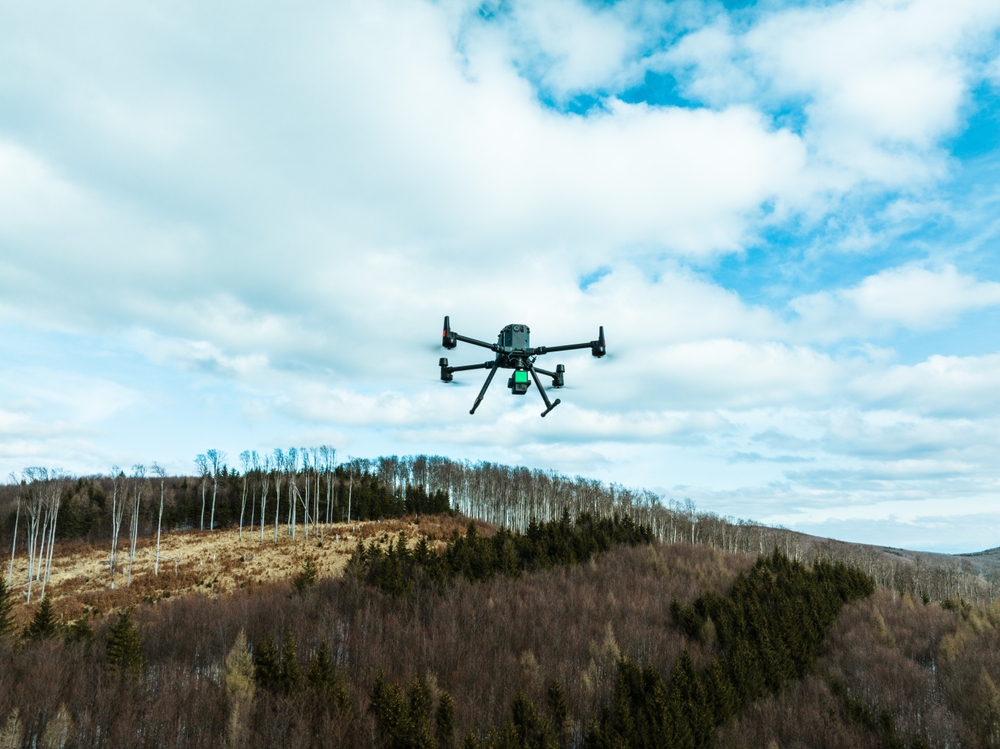
Enhancing Wildfire Management Efforts with Robotics Technology
As the frequency and intensity of wildfires continue to increase, the integration of new technologies such as robotics has become crucial in aiding wildfire management efforts. From drones to AI models, these innovative solutions play a significant role in early detection, monitoring, and suppression of wildfires.
Robotic applications for wildfire management encompass a variety of tools including drones, fixed sensors, and AI models. These technologies work together to detect ignitions early, analyze satellite data, and send georeferenced alerts to personnel on the ground. UAVs and UGVs are utilized to map hotspots, monitor fire perimeters, and provide real-time updates on fireline conditions. Ground robots are also deployed to clear vegetation for fuel breaks, support controlled burns, and deliver essential supplies like water and foam for suppression efforts.
The Different Types of Wildfire Robotics and Real-World Examples
Various categories of wildfire robotics are already proving their value in real-world operations. These innovations range from autonomous fireline systems that clear dry vegetation to satellite-driven platforms like AiDASH’s CRIS™ that run daily scans to flag risk zones and produce mitigation plans based on real-time fuel load analysis.
One example of ground-based treatment robots is the BurnBot system, designed for precise vegetation management in high-risk areas, ensuring fuel conditions remain low over time. Additionally, remotely operated units equipped with scanning tools can monitor hot spots during the mop-up phase, reducing exposure to residual heat and hidden flare-ups.
Utilizing Drones, Sensors, and AI for Early Wildfire Detection
Early detection of wildfires is critical in preventing them from escalating into uncontrollable disasters. A layered network of drones, remote sensors, and AI analytics is utilized to identify ignition signals before they become fast-moving incidents. Aerial platforms equipped with thermal imaging can detect heat anomalies even through smoke or darkness, while fixed stations monitor environmental factors in high-risk areas.
By combining drone feeds, ground telemetry, and satellite observations, AI models can produce risk assessments and prioritize areas for inspection. These systems also use predictive analytics to predict fire growth based on fuel and weather conditions, enhancing situational awareness for dispatchers and incident commanders.
Data-driven recommendations support drone coordination by optimizing patrol routes and increasing revisit rates in areas of worsening conditions. When alerts are triggered, responders receive georeferenced cues for faster verification and more targeted initial response.
Mapping Hotspots and Monitoring Perimeters with UGVs and UAVs
Unmanned ground vehicles (UGVs) and unmanned aerial vehicles (UAVs) play a crucial role in mapping hotspots and monitoring fire perimeters in real time. These platforms utilize thermal imaging and complementary sensors to identify hotspots and emerging ignition risks that may be overlooked from the ground.
UAVs provide high-resolution imagery that is converted into georeferenced layers and analytics for quick interpretation. For perimeter surveillance, UAV overflights and UGV patrols continuously monitor boundary changes, spotting slopovers and wind-driven expansions as they occur.
This networked monitoring system enhances situational awareness while keeping personnel at safer distances during dynamic operational periods.
Direct Suppression and Ignition Control with Wildfire Robots
Wildfire robots are instrumental in providing immediate response options for suppressing flames and managing ignitions. These robots can deliver water or foam for rapid suppression in inaccessible locations and adjust tactics in real time based on fire behavior.
Beyond direct suppression, robots aid in ignition management by creating fuel breaks and conducting controlled burns to limit fire spread. Continuous monitoring enables timely intervention when conditions change, enhancing overall resilience and strategic resource allocation.
Supporting Crews in Hazardous Zones with Robotic Assistance
Robotic support units are deployed in hazardous wildfire zones to extend crew reach without increasing risk to personnel. These platforms utilize sensors and cameras to map terrain, locate hotspots, and characterize flame behavior, improving situational awareness without endangering firefighters.
Additionally, robots play a vital role in resupply logistics by delivering essential supplies to remote crews, reducing manual runs and minimizing exposure during operations. In times of emergencies, robotic extraction strategies assist in retrieving injured or trapped personnel, providing hauling or guidance capabilities without risking additional responders.
Integration of Wildfire Robots with Command-and-Control Systems
Wildfire robots are seamlessly integrated into command-and-control (C2) systems to provide real-time intelligence on fire spread, hot spots, and access routes. Their sensor feeds and location telemetry are shared with incident commanders and dispatch centers, improving situational awareness and resource allocation.
By translating robot outputs into formats understood by existing C2 tools, operators can view precise position reporting, generate updated maps, and run path-planning recommendations as conditions evolve. This integration enables supervisors to task robots into hazardous areas while keeping crews at safe distances, facilitating faster analysis and strategy adjustments during active incidents.
Challenges and Future Developments in Wildfire Robotics
Despite the benefits of wildfire robotics, challenges exist in extreme conditions such as heat, connectivity issues, and terrain constraints. High temperatures can damage robotic components, connectivity problems can disrupt communication, and challenging terrain can limit mobility and access.
Looking ahead, advancements in wildfire robotics focus on greater autonomy, coordinated swarms, and standardized protocols to ensure safe and efficient operations. Increased autonomy will enable robots to work independently with minimal human intervention, while swarm robotics will utilize multiple units to enhance coverage and response times. Standardization of protocols will guarantee interoperability and safety across diverse robotic systems.











Samsung Galaxy S25: Unveiling Android 17 in September – Tech Advisor

Top Phones to Run Qualcomm Snapdragon 8 Elite Gen 6 – Tech Advisor’s Picks

Navigating Expansion: Essential Tips for European Founders Entering the US Market (Sponsored)

Unveiling iOS 27.2: Enhanced features, official release date, and much more

THE BEST PHONE HTC EVER MADE?

Revolutionizing Luxury: The 2027 Bentley Torcal – A Fusion of British Elegance and Porsche Performance

Activision’s Halo Takeover: A Game-Changing Xbox Overhaul

AI Revolution: Amazon’s Seller Tools Embrace Anthropic’s Claude

Ragdoll Rampage: The Malicious Mod Menace

EU Takes Action Against Instagram and Facebook for Violating Illegal Content Rules

Warning: Facebook Creators Face Monetization Loss for Stealing and Reposting Videos

Facebook’s New Look: A Blend of Instagram’s Style

Facebook Compliance: ICE-tracking Page Removed After US Government Intervention

Facebook and Instagram to Reduce Personalized Ads for European Users

InstaDub: Meta’s AI Translation Tool for Instagram Videos

Reclaim Your Account: Facebook and Instagram Launch New Hub for Account Recovery

Meta discontinues Messenger apps for Windows and macOS

Breaking Updates: Meta Connect 2025 Unveils Latest Developments
THE BEST PHONE HTC EVER MADE?

The Truth about Google?

Samsung S9/ S9+ vs iPhone X vs Galaxy Note 8 Battery Life DRAIN TEST

Samsung S9 / S9+ vs Mate 10 Pro vs iPhone X Charging SPEED Test

The BEST APPS in 2018 – ft. MKBHD, UrAvgConsumer, iJustine + More

The ULTIMATE Smartphone Unboxing!!

HOW GOOD can a $250 Smartphone Camera be!?

10 Android Apps you NEED to try in 2018

They could not believe how cheap this Phone is
-
 Facebook11 months ago
EU Takes Action Against Instagram and Facebook for Violating Illegal Content Rules
-
 Facebook11 months ago
Warning: Facebook Creators Face Monetization Loss for Stealing and Reposting Videos
-
 Facebook10 months ago
Facebook’s New Look: A Blend of Instagram’s Style
-
 Facebook11 months ago
Facebook Compliance: ICE-tracking Page Removed After US Government Intervention
-
 Facebook10 months ago
Facebook and Instagram to Reduce Personalized Ads for European Users
-
 Facebook11 months ago
InstaDub: Meta’s AI Translation Tool for Instagram Videos
-
 Facebook10 months ago
Reclaim Your Account: Facebook and Instagram Launch New Hub for Account Recovery
-
 Apple11 months ago
Meta discontinues Messenger apps for Windows and macOS
