
Cars
Uncovering the Long-Term Value Retention of BMW M Cars in 2026

Are BMW M Cars Really Worth the Investment?
Investing in a BMW M car is often seen as a smart move due to the belief that these high-performance models hold their value better than their standard counterparts. But is this belief supported by data? Let’s delve into the numbers and see how various M cars compare to their non-M versions in terms of depreciation over five years.
M2 vs. BMW 2 Series
One of the standout performers in terms of value retention is the BMW M2. Over five years, the M2 only loses 32.2% of its value, showing a significant improvement from previous years. In comparison, the 2 Series Coupe loses 36.4% of its value, while the Convertible loses 44.3%. The M2 clearly emerges as the better investment here.
M3 vs. BMW 3 Series
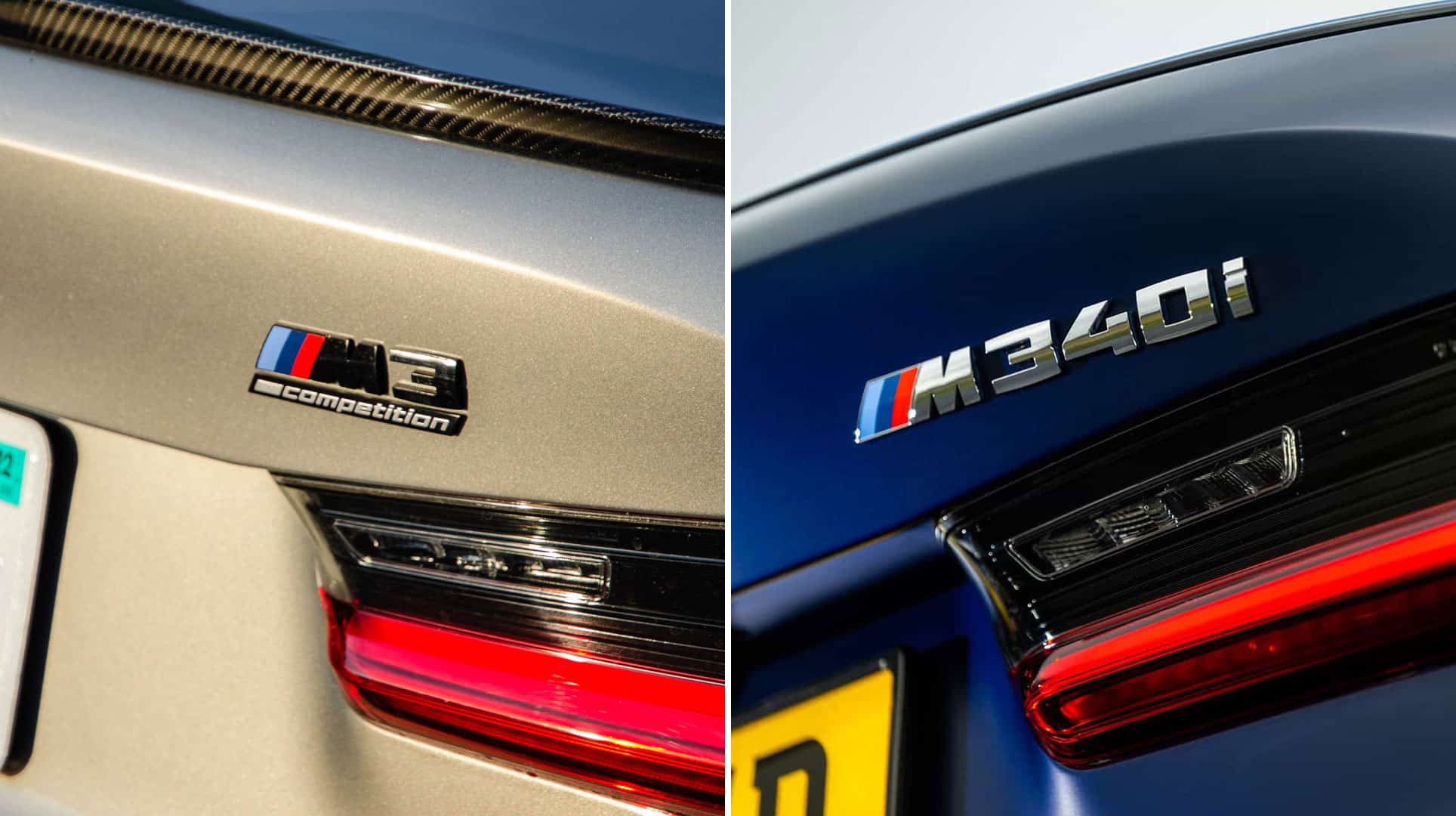
Surprisingly, the iconic M3 doesn’t hold its value as well as the M2, with a 47.5% depreciation rate over five years. In contrast, the standard 3 Series retains 53.2% of its value. The M3, while a strong performer, loses out to its non-M counterpart in this comparison.
M4 (Coupe and Convertible) vs. BMW 4 Series
The M4 Coupe impresses with only a 35.5% loss in value over five years, outperforming the standard 4 Series Coupe at 40.2%. The M4 Convertible also holds up well, losing 44.8% compared to the regular 4 Series Convertible at 45.7%. Opting for the M4 barely costs you more in depreciation, making it a compelling choice.
X3 M vs. BMW X3
When it comes to the X3 M, it manages to retain its value slightly better than the standard X3, with a 47% depreciation rate compared to 49.6%. While the difference is not dramatic, it still gives the high-performance model an edge in terms of investment value.
X4 M vs. BMW X4
The X4 M and standard X4 perform almost equally in terms of value retention, with the M model losing 49% of its value after five years, just slightly better than the regular X4 at 49.4%. While the difference is minimal, choosing the more powerful version doesn’t penalize buyers significantly in terms of depreciation.
X5 M vs. BMW X5
Similarly, the X5 M edges out its standard counterpart in value retention, with a 52.4% depreciation rate compared to 53.1% for the regular X5. The difference is marginal, but the performance SUV holds its value slightly better over time.
X6 M vs. BMW X6
In this comparison, the standard X6 surprisingly outperforms the X6 M in value retention, with the M model losing 52.6% of its value, while the regular X6 loses 50.2%. The victory here goes to the non-M version, although both models still experience significant depreciation.
M5 vs. BMW 5 Series
The M5 generally holds its value better than the standard 5 Series, with the gas-powered F90 M5 retaining 47.7% of its value over five years compared to 52.3% loss for the 5 Series. The M5 models, including the plug-in hybrid variants, show better value retention compared to their non-M counterparts.
M8 vs. BMW 8 Series
Across various body styles, the M8 and standard 8 Series perform similarly in terms of depreciation. The M8 models show slightly better value retention, with the M8 Coupe losing 47.4% compared to 47.5% for the standard model. The Gran Coupe variant of the M8 offers the clearest victory over its base counterpart in terms of value retention.
Conclusion
Overall, BMW M cars tend to hold their value better than their standard counterparts, with some exceptions. While opting for an M model may cost more initially, the performance and desirability it offers often justify the investment. However, it’s essential to consider the specific model and its depreciation rate before making a decision. Ultimately, the choice between an M car and a base model comes down to personal preference and budget considerations.
Source: iSeeCars













Revving Up: Tractor Battle Adventure RPG Expands with Mod Support on Steam Workshop

Troubleshooting Guide: Unable to Access 192.168.0.1

Choosing the Right AI: Ensuring Trust in Multi-Model Translation Systems

Friday Night Baseball Madness: iPhone 18 Pro Edition

Partnership Potential: JAC & Huawei in Talks to Produce Electric Maserati Vehicles

Grand Theft Auto VI: The Soundtrack – Limited Edition Physical Release

The Never-Ending Battle of the Galaxy S27 Ultra Camera: A Tech Advisor’s Perspective

Motorola Signature 27: Unveiled Specs and Vibrant Colour Options – Tech Advisor

Angle Health Soars to $2.7B Valuation: Y Combinator Insurance Tech Alum Makes Waves in Health Industry

EU Takes Action Against Instagram and Facebook for Violating Illegal Content Rules

Warning: Facebook Creators Face Monetization Loss for Stealing and Reposting Videos

Facebook’s New Look: A Blend of Instagram’s Style

Facebook Compliance: ICE-tracking Page Removed After US Government Intervention

Facebook and Instagram to Reduce Personalized Ads for European Users

InstaDub: Meta’s AI Translation Tool for Instagram Videos

Reclaim Your Account: Facebook and Instagram Launch New Hub for Account Recovery

Meta discontinues Messenger apps for Windows and macOS

Breaking Updates: Meta Connect 2025 Unveils Latest Developments

Huawei P20 Pro Unboxing!

Huawei P20 Pro vs Samsung S9 Plus!

Huawei P20 vs P20 Pro vs iPhone 8 Plus vs S9 Battery Drain Test!

10 Android Mods that Change Everything

I used the first Android Phone in the World.

DOOGEE MIX 4 UNBOXING (PROTOTYPE)!

MYSTERY UNBOXING FROM SAMSUNG!

The Truth about Huawei P20 Pro – REAL Review

How to Love your Android Phone again.
-
 Facebook11 months ago
EU Takes Action Against Instagram and Facebook for Violating Illegal Content Rules
-
 Facebook11 months ago
Warning: Facebook Creators Face Monetization Loss for Stealing and Reposting Videos
-
 Facebook9 months ago
Facebook’s New Look: A Blend of Instagram’s Style
-
 Facebook11 months ago
Facebook Compliance: ICE-tracking Page Removed After US Government Intervention
-
 Facebook9 months ago
Facebook and Instagram to Reduce Personalized Ads for European Users
-
 Facebook11 months ago
InstaDub: Meta’s AI Translation Tool for Instagram Videos
-
 Facebook10 months ago
Reclaim Your Account: Facebook and Instagram Launch New Hub for Account Recovery
-
 Apple11 months ago
Meta discontinues Messenger apps for Windows and macOS
