
Startups
Valar Atomics Seeks $6B Investment to Power Nuclear Innovation

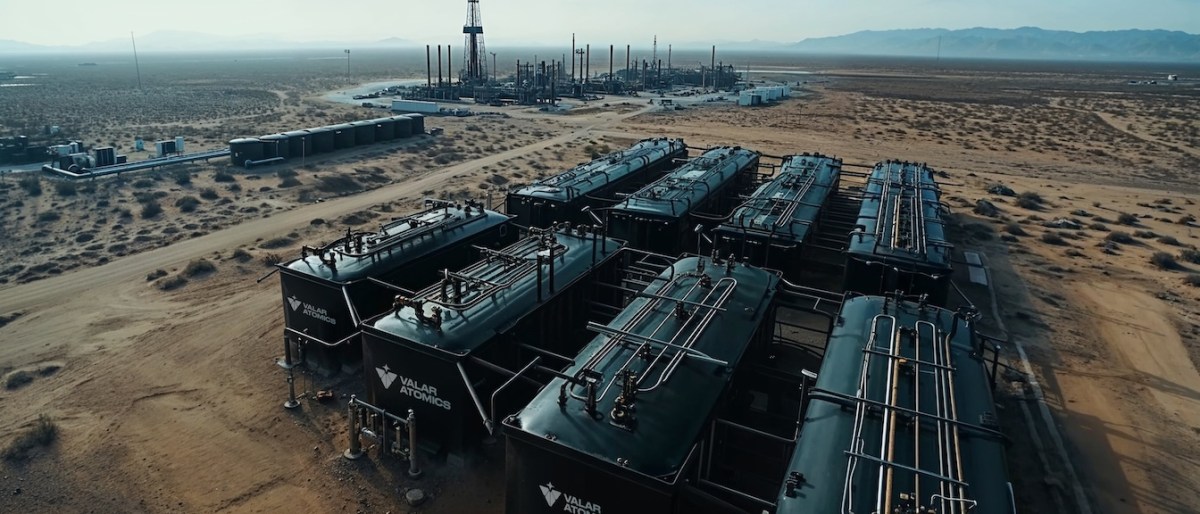
Valar Atomics: Startup Building Small Modular Nuclear Reactors
Valar Atomics, a startup specializing in the development of small modular nuclear reactors (SMRs), is currently in discussions to raise a new round of capital, as reported by three sources familiar with the company. The company, which is three years old, aims to create miniaturized, factory-built power plants that are more cost-effective and quicker to deploy compared to traditional reactors. Valar Atomics is seeking a valuation of approximately $6 billion for this funding round, with Sequoia expected to lead the deal.
The Information was the first to disclose the ongoing funding discussions, revealing that the El Segundo, California-based startup is in the process of raising a $1 billion equity round.
Prior to this current round of funding, Valar Atomics had secured a portion of capital at a lower valuation. According to sources, the company had raised $450 million, comprising $340 million in equity and $110 million in debt, at a $2 billion valuation. This information was reported by Bloomberg in March.
Deals structured with multiple installments at varying valuations are becoming more prevalent in today’s AI-driven fundraising landscape. Such arrangements can create the illusion of uniform investment valuation when, in reality, investors in the same round may end up paying different prices for the company. This differentiation is crucial as external parties attempt to compare high-growth startups against each other.
Both Sequoia and Valar Atomics have declined to provide comments on the matter.
Recently, Valar Atomics demonstrated that its nuclear reactor was capable of providing power to an Nvidia AI chip. In conjunction with this proof-of-concept demonstration, the company announced a partnership with Nvidia to explore using nuclear energy to fuel future AI data centers.
Valar Atomics’ success is occurring amidst a growing demand for electricity. Projections indicate a significant increase in data center power requirements in the coming years, with utilities in many regions facing delays in adding sufficient new capacity. This situation has propelled nuclear power, historically plagued by cost overruns and regulatory hurdles, into a focal point of the AI infrastructure boom.
Notable supporters of Valar Atomics include Palmer Luckey, the founder of Anduril, and Shyam Sankar, the chief technology officer of Palantir. Other players in this space include Kairos Power and TerraPower (backed by Bill Gates), which are developing next-generation reactors for tech and industrial clients, as well as NuScale Power, the sole SMR developer with U.S. regulatory design approval.
Valar Atomics’ technology revolves around a helium-cooled, high-temperature gas reactor. The company envisions constructing numerous SMRs to power data centers in the future. While SMRs offer the potential for more cost-effective manufacturing compared to traditional reactors, the technology is still emerging, and the timeline for industrial-scale deployment remains uncertain.
Behind the scenes, Valar Atomics has taken a firm legal stance against its regulator. Last year, the company, along with several states and rival startups, filed a lawsuit against the Nuclear Regulatory Commission, alleging that the agency’s licensing process for small test reactors is unduly lengthy. The case is ongoing, with intermittent pauses in litigation suggesting a potential settlement in progress.
The company’s founder, Isaiah Taylor, has an intriguing background. Taylor, who left high school at 16, has launched two startups prior to Valar Atomics. Notably, he proudly shares that his great-grandfather was a nuclear physicist involved in the Manhattan Project.
Disclaimer: This article may contain affiliate links. If you make a purchase through these links, we may earn a small commission without affecting our editorial independence.











Tesla’s Cybertruck Launch Down Under: A Canceled Debut and Deposit Refunds

Microsoft’s Breakthrough in Medical Superintelligence: The Diagnostic Orchestrator Revolution

Virtue and a Sledgehammer: The Cathartic Prelude

EdTech Intuitivo secures €1.35 million funding to streamline teachers’ tasks and enter Brazilian market

Score a Deal on Apple’s Magic Keyboards for iPad – but There’s a Catch

Unfolding Innovation: Coolpad’s $150 Android Phone with iPhone Duo-like Widescreen Display

iPhone Duo Production Surges by 44% to Meet High Demand

Pushing the Limits: Customizing Our Ultimate 2027 BMW 3 Series

AMD’s FSR 4.1 Enhancements Coming to Xbox Consoles and Handhelds

EU Takes Action Against Instagram and Facebook for Violating Illegal Content Rules

Warning: Facebook Creators Face Monetization Loss for Stealing and Reposting Videos

Facebook’s New Look: A Blend of Instagram’s Style

Facebook Compliance: ICE-tracking Page Removed After US Government Intervention

Facebook and Instagram to Reduce Personalized Ads for European Users

InstaDub: Meta’s AI Translation Tool for Instagram Videos

Reclaim Your Account: Facebook and Instagram Launch New Hub for Account Recovery

Meta discontinues Messenger apps for Windows and macOS

Breaking Updates: Meta Connect 2025 Unveils Latest Developments

Should you buy your Smartphones Refurbished!?

6 Amazing SECRET Android Launchers (2017 / 2018)

6 Value for Money Tech Products you NEED to try!

iPhone X Helicopter 1200ft Drop Test!! + Mous Case Review

7 UNBELIEVABLE Smartphone Magic Tricks!

Oneplus 5T vs Oneplus 1 – 3 Years Later.

Top 20 BEST Smartphones of 2017!

5 Amazing Upcoming Smartphone Features – 2018 / 2019

ULTIMATE Power Banks / The Best Power Banks (2017-2018)
-
 Facebook12 months ago
EU Takes Action Against Instagram and Facebook for Violating Illegal Content Rules
-
 Facebook1 year ago
Warning: Facebook Creators Face Monetization Loss for Stealing and Reposting Videos
-
 Facebook11 months ago
Facebook’s New Look: A Blend of Instagram’s Style
-
 Facebook1 year ago
Facebook Compliance: ICE-tracking Page Removed After US Government Intervention
-
 Facebook11 months ago
Facebook and Instagram to Reduce Personalized Ads for European Users
-
 Facebook1 year ago
InstaDub: Meta’s AI Translation Tool for Instagram Videos
-
 Facebook11 months ago
Reclaim Your Account: Facebook and Instagram Launch New Hub for Account Recovery
-
 Apple1 year ago
Meta discontinues Messenger apps for Windows and macOS
