
Security
Defending the Goal: Cybersecurity Threats at the World Cup

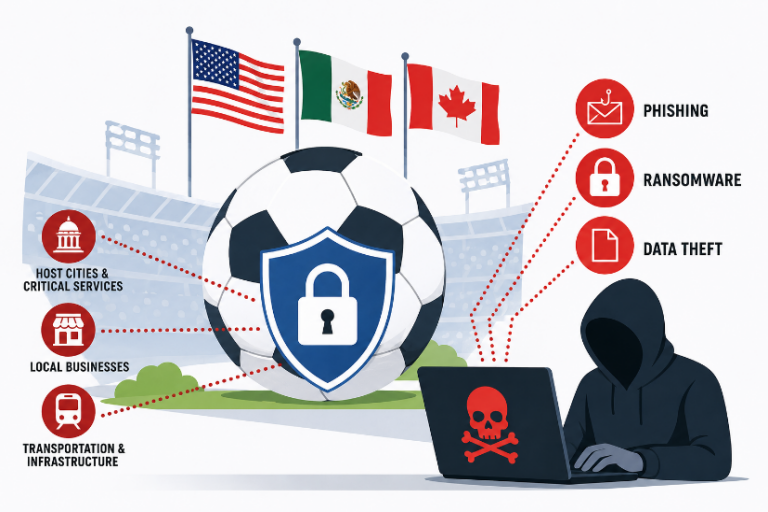
The Cybersecurity Threats Surrounding the World Cup
The FIFA World Cup presents a unique opportunity for cybersecurity threat actors to exploit vulnerabilities and disrupt systems on a global scale. As the largest World Cup ever kicks off across three countries, the excitement is palpable worldwide. However, amidst the thrill of the tournament, there lies a significant challenge in the cyber realm for hosting cities and local businesses.
Major sporting events like the World Cup create a massive attack surface, making them prime targets for malicious actors. While organizations like FIFA have robust defenses against cyber attacks, municipal governments and regional businesses are at a higher risk due to their limited resources. The current cyber threat landscape, with the use of AI by cybercriminals and nation-states, further complicates the situation.
The Threat Landscape for Host Cities
Host cities and their critical services, such as transportation and infrastructure, face the most severe threats. Iran and other threat actors have a history of targeting municipal websites for defacement, especially during high-profile events like the World Cup. Ransomware attacks on transportation systems are a major concern, as cybercriminals exploit the pressure to pay quickly to resolve the issue. Additionally, hack and leak attacks by nation-states can lead to the exposure of sensitive data, aiming to embarrass or punish the host nation.
Challenges for Local Businesses
Local businesses are also vulnerable to cyber threats, with cybercriminals using World Cup-themed phishing lures to deliver malware. While nation-states pose a lesser direct threat to these businesses, they can still be targeted as access points to larger targets, such as critical infrastructure.
Protecting Against Cyber Threats
Education is crucial in mitigating cyber threats. Employees should be made aware of the increased risks, especially phishing attempts using World Cup themes. Regularly patching systems and enforcing strong credential policies are essential steps in enhancing cybersecurity. Basic security measures, such as using complex passwords and multifactor authentication, remain effective defenses in a heightened threat environment.
About the Author: Mike Kosak
Mike Kosak, a former US Department of Defense intelligence officer, brings over 20 years of experience in threat intelligence analysis. With a background in counterterrorism intelligence and private sector cyber intelligence roles at institutions like Bank of America and TIAA, Kosak currently serves as the director of threat intelligence at LastPass.












Purdue and University of Illinois Join Forces to Enhance Semiconductor Industry Talent Pool

Unveiling the Secrets of ARC Raiders: Exploring Frozen Trails, Pendola Pass, Weapon Amplification, and Beyond

Samsung Galaxy S25: Unveiling Android 17 in September – Tech Advisor

Top Phones to Run Qualcomm Snapdragon 8 Elite Gen 6 – Tech Advisor’s Picks

Navigating Expansion: Essential Tips for European Founders Entering the US Market (Sponsored)

Unveiling iOS 27.2: Enhanced features, official release date, and much more

THE BEST PHONE HTC EVER MADE?

Revolutionizing Luxury: The 2027 Bentley Torcal – A Fusion of British Elegance and Porsche Performance

Activision’s Halo Takeover: A Game-Changing Xbox Overhaul

EU Takes Action Against Instagram and Facebook for Violating Illegal Content Rules

Warning: Facebook Creators Face Monetization Loss for Stealing and Reposting Videos

Facebook’s New Look: A Blend of Instagram’s Style

Facebook Compliance: ICE-tracking Page Removed After US Government Intervention

Facebook and Instagram to Reduce Personalized Ads for European Users

InstaDub: Meta’s AI Translation Tool for Instagram Videos

Reclaim Your Account: Facebook and Instagram Launch New Hub for Account Recovery

Meta discontinues Messenger apps for Windows and macOS

Breaking Updates: Meta Connect 2025 Unveils Latest Developments
THE BEST PHONE HTC EVER MADE?

The Truth about Google?

Samsung S9/ S9+ vs iPhone X vs Galaxy Note 8 Battery Life DRAIN TEST

Samsung S9 / S9+ vs Mate 10 Pro vs iPhone X Charging SPEED Test

The BEST APPS in 2018 – ft. MKBHD, UrAvgConsumer, iJustine + More

The ULTIMATE Smartphone Unboxing!!

HOW GOOD can a $250 Smartphone Camera be!?

10 Android Apps you NEED to try in 2018

They could not believe how cheap this Phone is
-
 Facebook11 months ago
EU Takes Action Against Instagram and Facebook for Violating Illegal Content Rules
-
 Facebook11 months ago
Warning: Facebook Creators Face Monetization Loss for Stealing and Reposting Videos
-
 Facebook10 months ago
Facebook’s New Look: A Blend of Instagram’s Style
-
 Facebook11 months ago
Facebook Compliance: ICE-tracking Page Removed After US Government Intervention
-
 Facebook10 months ago
Facebook and Instagram to Reduce Personalized Ads for European Users
-
 Facebook11 months ago
InstaDub: Meta’s AI Translation Tool for Instagram Videos
-
 Facebook10 months ago
Reclaim Your Account: Facebook and Instagram Launch New Hub for Account Recovery
-
 Apple11 months ago
Meta discontinues Messenger apps for Windows and macOS
