
Gadgets
Is Your Device Infected? Android Malware Spreads to Over 2.3 Million Devices

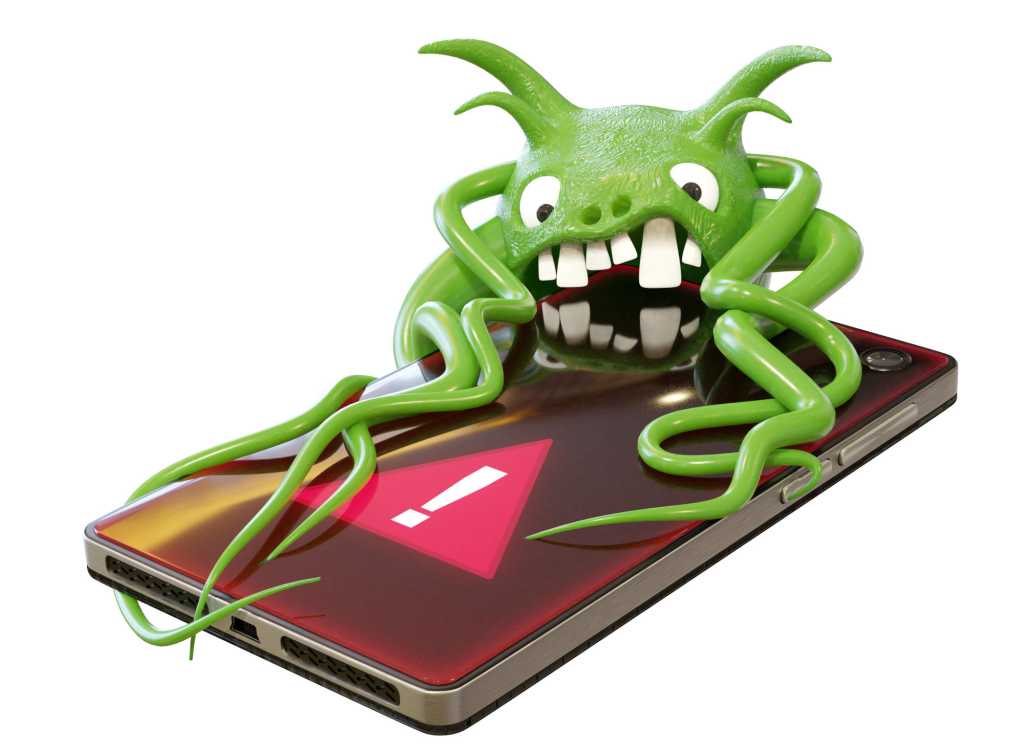
Android malware has been a major concern, with sophisticated malware infecting over 2.3 million devices by exploiting 22 vulnerabilities from 2016-2021 to gain root access, as reported by Tech Advisor. This malware survives factory resets on older unpatched devices and injects code into apps like WhatsApp while gathering device data for targeted attacks. To protect yourself, it is crucial to immediately install Android security updates from May 2021 or newer, only download apps from the Google Play Store, and consider replacing outdated devices for better protection.
McAfee recently discovered a new piece of Android malware named NoVoice on Google Play, hidden within over 50 different Android apps and downloaded at least 2.3 million times. The malware disguises itself within apps that appear to be cleaners, photo galleries, or games, without requesting suspicious permissions during installation, making them inconspicuous.
Once launched, NoVoice attempts to gain root access on Android devices by exploiting old security vulnerabilities from 2016-2021. It then contacts a command-and-control server to send device data for targeted attacks. The malware downloads components to enable a targeted attack, exploiting 22 different vulnerabilities to gain root privileges. It can even survive a device reset by injecting code into every app launched on the device, with WhatsApp being a primary target.
While the malware’s creators remain unidentified, security experts highlight similarities to the Android Trojan Triada. Google has removed the infected apps from Google Play, but if already installed, your device remains infected. Upgrading to a newer device with the latest security patch can effectively mitigate this threat, as NoVoice targets vulnerabilities patched by May 2021.
For protection, only install apps from Google Play, enable Google Play Protect, install a virus scanner, check app permissions and reviews before downloading, and always install Android security updates promptly. Devices running current Android versions with all security updates installed should be safe. McAfee recommends reinstalling the device’s firmware to completely remove the infection, if needed.
In conclusion, it is essential to stay vigilant against Android malware threats by following best practices for app installation, security updates, and device replacement if necessary. Keeping your device protected and up-to-date is crucial in safeguarding against malicious attacks.











The Battle Over iPhone Driver’s Licenses: Florida and Rhode Island Stand Firm

How Smart is the AI-Powered Huawei Mate 10 – with EMUI 8.0?

Reviving the Legacy: Porsche Mission S Unveils Carrera GT-Inspired Gauge Cluster

Navigating the New Normal: Satya Nadella’s Journey in the Post-COVID World of Microsoft

Persona 4 Reborn: Unveiling Naoto Shirogane’s Return in New Trailer

Unveiling the Powerhouse: Xiaomi 18 Pro Max Global Leak Exposes Impressive Performance Features

Breaking News: Android U-Turn Officially Confirmed by Tech Advisor

Strategies for Building a Successful Home Services Franchise System: Driving Growth and Scalability

Apple and LG Unveil Game-Changing ‘Tap to Control’ HomeKit Features

EU Takes Action Against Instagram and Facebook for Violating Illegal Content Rules

Warning: Facebook Creators Face Monetization Loss for Stealing and Reposting Videos

Facebook’s New Look: A Blend of Instagram’s Style

Facebook Compliance: ICE-tracking Page Removed After US Government Intervention

Facebook and Instagram to Reduce Personalized Ads for European Users

InstaDub: Meta’s AI Translation Tool for Instagram Videos

Reclaim Your Account: Facebook and Instagram Launch New Hub for Account Recovery

Meta discontinues Messenger apps for Windows and macOS

Breaking Updates: Meta Connect 2025 Unveils Latest Developments
How Smart is the AI-Powered Huawei Mate 10 – with EMUI 8.0?

I used a 2012 Smartphone in 2018 – Here’s what happened.

How to send ANY file Anywhere!

NEW Oneplus 5T Sandstone White Unboxing – The Ultimate Oneplus 5T?

HUAWEI P20 – THE SMARTPHONE REVOLUTION IS HERE?

How OnePlus succeeded when they should have failed.

Samsung sent us THIS! #AD

Ulefone Power 3 – Quad Camera Smartphone that last 2 weeks!

EPIC Smartphone FAILS that people will never forget.
-
 Facebook12 months ago
EU Takes Action Against Instagram and Facebook for Violating Illegal Content Rules
-
 Facebook12 months ago
Warning: Facebook Creators Face Monetization Loss for Stealing and Reposting Videos
-
 Facebook10 months ago
Facebook’s New Look: A Blend of Instagram’s Style
-
 Facebook12 months ago
Facebook Compliance: ICE-tracking Page Removed After US Government Intervention
-
 Facebook10 months ago
Facebook and Instagram to Reduce Personalized Ads for European Users
-
 Facebook12 months ago
InstaDub: Meta’s AI Translation Tool for Instagram Videos
-
 Facebook10 months ago
Reclaim Your Account: Facebook and Instagram Launch New Hub for Account Recovery
-
 Apple12 months ago
Meta discontinues Messenger apps for Windows and macOS
