
Inovation
Identity-Centric Security: Reinventing Biometrics in Zero Trust Architecture

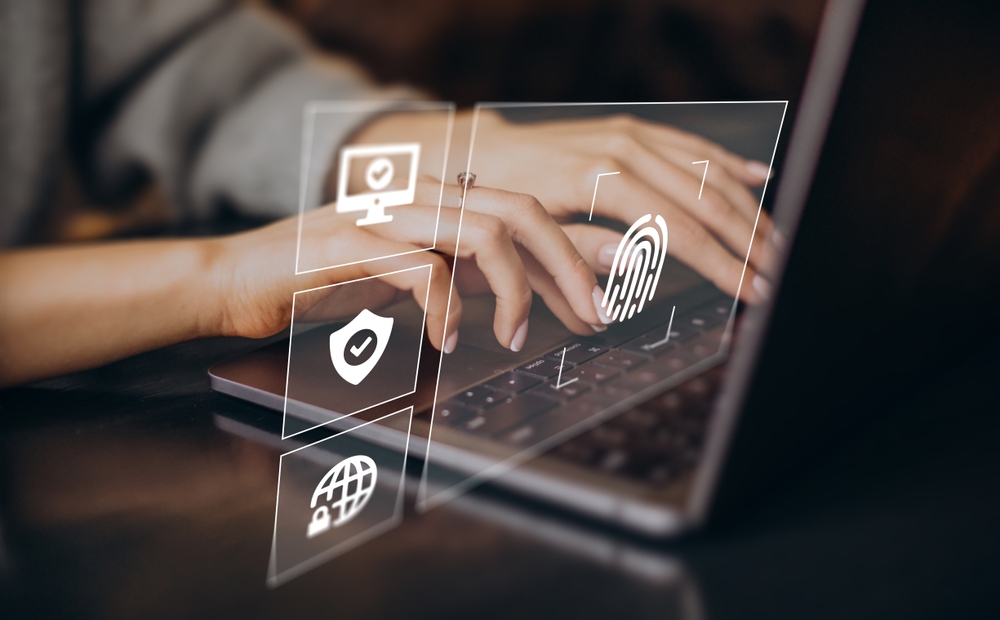
Enhancing Cybersecurity with Biometric Authentication in a Zero Trust Environment
As the threat of cyber-attacks continues to evolve, the need for robust cybersecurity measures is more crucial than ever. Adopting a zero trust policy, which involves verifying, validating, and authenticating every step of the way, is essential in today’s digital landscape. Biometrics play a significant role in reducing friction in this process.
For a long time, cybersecurity relied on the assumption that once a user gains access to a network, they can be trusted. However, with the rise of cloud computing, remote work, and sophisticated attacks, this notion has been proven inadequate. Credentials are frequently stolen, sessions are hijacked, and systems are breached not through external intrusion, but by unauthorized access.
Zero trust architecture represents a paradigm shift in the industry’s approach to security. Its fundamental principle is simple yet unwavering: trust nothing and verify everything. Every request must go through a rigorous process of authentication, authorization, and continuous validation, with identity taking center stage in this model.
Biometrics are now taking on a pivotal role in this paradigm—not merely as a convenience feature, but as a highly secure method of establishing trust in modern systems.
Redefining the Concept of Identity
In a zero trust environment, the traditional concept of a network boundary is no longer relevant. What truly matters is the ability of a system to accurately identify the origin of a request, including who is making it, from which device, and under what circumstances.
Traditionally, identity verification has relied on a combination of credentials and tokens, such as passwords or PINs, and physical devices like smartphones or security keys. While these methods still hold value, they are susceptible to vulnerabilities. Passwords can be phished or reused, while devices can be stolen or compromised, enabling attackers to exploit legitimate user identities.
Biometrics introduce a new dimension by linking authentication directly to individuals. Features like fingerprint or facial recognition cannot be easily shared, guessed, or replicated on a large scale. In a zero trust framework, this makes biometrics a more robust foundation for verifying identity.
Transitioning from User Convenience to System Security
Initially embraced for their user-friendly applications, such as unlocking phones and authorizing payments, biometrics have now evolved to serve a critical function in enterprise security. They provide a high level of confidence in verifying identity, particularly in scenarios where user presence is essential.
Within enterprise settings, biometrics play a crucial role in securing access to sensitive corporate systems, authorizing financial transactions, and enabling privileged administrative actions. By requiring biometric authentication, organizations add an extra layer of assurance that goes beyond mere knowledge or possession, anchoring identity verification to a user’s unique physical attributes.
Embracing Continuous Authentication
Zero trust does not revolve around a one-time login checkpoint; instead, it emphasizes continuous verification. This concept has prompted the evolution of biometrics beyond static inputs like fingerprints, incorporating behavioral biometrics that analyze patterns in user-device interactions.
These systems monitor signals such as typing cadence, mouse movement patterns, and device handling, creating a dynamic user profile. If deviations in behavior are detected, the system can prompt for re-authentication or restrict access, ensuring ongoing security rather than episodic trust.
By employing a combination of these indicators, authentication becomes a continuous process, and trust is not granted once but maintained over time.
Empowering Trusted Devices
An emerging trend in biometric security is the localization of verification processes on users’ devices, rather than transmitting biometric data to centralized servers. This architectural shift offers dual benefits.
First, it minimizes systemic risks associated with centralized biometric databases, as data stored on devices reduces the impact of potential breaches. Second, it reinforces the relationship between identity and device trust, with devices undergoing continuous evaluation for security, updates, and policy compliance.
When biometric authentication is linked to a trusted device, it simultaneously verifies the user and the device, creating a combined signal that is significantly more challenging for attackers to replicate.
Strengthening Multi-Factor Authentication
While multi-factor authentication remains a cornerstone of zero trust frameworks, its effectiveness hinges on the strength of each factor. Not all authentication methods are equal, with some being more vulnerable to attacks.
Biometrics enhance multi-factor authentication by bolstering the “something you are” component. When coupled with device-based cryptographic credentials, biometrics form a layered defense mechanism that is resilient against common attack vectors.
Modern authentication flows typically blend signals from a trusted device with embedded cryptographic keys, biometric verification, and contextual data like location, network information, or user behavior. This holistic approach not only incorporates multiple factors but also enables a more nuanced risk assessment.
Real-world Applications Across Industries
Biometric authentication has gained significant traction in enterprise security strategies, particularly in sectors where identity verification is paramount. Industries such as finance, healthcare, and government rely on biometrics to authorize transactions, access sensitive data, and verify identities for critical operations.
The shift in adoption goes beyond mere implementation, as biometrics are now integrated into broader identity and access management systems. This integration allows organizations to enforce detailed policies, monitor access in real-time, and maintain comprehensive audit trails.
Addressing Risks while Sustaining Progress
Despite the advantages of biometrics, challenges like spoofing, data protection, and the permanence of biometric traits persist. However, advancements in technology have addressed these concerns.
Features like liveness detection analyze facial depth, movement, and subtle cues to differentiate between real users and replicas. Biometric data is typically stored as encrypted templates, mitigating the risk of misuse. Moreover, zero trust architecture does not rely solely on biometrics but treats them as part of a broader security strategy, ensuring resilience even in the event of a compromise.
Facilitating the Shift to Passwordless Security
The transition to passwordless authentication aligns closely with the principles of zero trust, aiming to eliminate vulnerabilities that attackers exploit. Biometrics play a pivotal role in this transition by offering a secure and intuitive means of authentication without depending on memorized passwords.
In practice, passwordless systems combine device-bound cryptographic credentials, biometric verification, and real-time risk assessment to streamline authentication processes while fortifying overall security posture.
Considering the Human Element
In the realm of security, system failures often stem from human factors rather than technical deficiencies. Complex security requirements often lead to user shortcuts, such as reused passwords or disabled protections.
Biometrics alleviate this issue by reducing friction in the authentication process, making it faster and more intuitive for users. This shift in user behavior is crucial, as proper engagement with security measures reduces overall risk by aligning security practices with human tendencies.
Redefining Identity in Cybersecurity
As organizations navigate distributed and cloud-based environments, identity verification emerges as a pivotal control point in cybersecurity strategies. While biometrics do not offer a complete solution, they are increasingly recognized as a critical component in establishing and maintaining identity.
The strength of biometrics lies in their combination with trusted devices, behavioral signals, and contextual analysis, forming a dynamic and adaptive security model that mirrors real-world user interactions and thwarting potential attacks effectively.
Zero trust frameworks emphasize continuous verification, and biometrics play a vital role in enhancing the strength and practicality of this verification process. As a result, biometrics are transitioning from a mere convenience feature to a foundational element of modern cybersecurity.












Upgrade Alert: HomePod Mini 2 and HomePod 2 Set to Become Default Mac Speakers

Finally Fixing my Wi-Fi – Zyxel Multy X!

Lost in the Living Maze: Unraveling Hidden Terrain Magic Through Copy-Paste

Samsung Unveils Exclusive Galaxy Z Fold 8 BTS Edition

Navigating the Digital World: Expert Tech Advice for Everyman

OMass Therapeutics Secures €275 Million Funding to Advance Innovative Small-Molecule Therapies

The Evolution of Apple’s Smart Home Strategy: A Closer Look at Their Own Devices

Unveiling the Imposter: The Truth Behind the Fake WhatsApp Clone on the Play Store

Digital Protection: How a 1988 Law Could Safeguard Your Online Viewing Experience

EU Takes Action Against Instagram and Facebook for Violating Illegal Content Rules

Warning: Facebook Creators Face Monetization Loss for Stealing and Reposting Videos

Facebook’s New Look: A Blend of Instagram’s Style

Facebook Compliance: ICE-tracking Page Removed After US Government Intervention

Facebook and Instagram to Reduce Personalized Ads for European Users

InstaDub: Meta’s AI Translation Tool for Instagram Videos

Reclaim Your Account: Facebook and Instagram Launch New Hub for Account Recovery

Meta discontinues Messenger apps for Windows and macOS

Breaking Updates: Meta Connect 2025 Unveils Latest Developments
Finally Fixing my Wi-Fi – Zyxel Multy X!

$25,000 Gaming Setup – EVOLUTION!

The Maze Alpha X is HERE!

Cool Tech under $100 – December!

MYSTERY UNBOXING FROM GOOGLE!

TOP 6 Smartphones from Companies you NEVER Expected!

A Surprise Smartphone from EE!

DOOGEE MIX 2 VS DOOGEE MIX 1!

INCREDIBLE Smartphone Gadgets on Amazon!
-
 Facebook12 months ago
EU Takes Action Against Instagram and Facebook for Violating Illegal Content Rules
-
 Facebook1 year ago
Warning: Facebook Creators Face Monetization Loss for Stealing and Reposting Videos
-
 Facebook10 months ago
Facebook’s New Look: A Blend of Instagram’s Style
-
 Facebook1 year ago
Facebook Compliance: ICE-tracking Page Removed After US Government Intervention
-
 Facebook10 months ago
Facebook and Instagram to Reduce Personalized Ads for European Users
-
 Facebook1 year ago
InstaDub: Meta’s AI Translation Tool for Instagram Videos
-
 Facebook11 months ago
Reclaim Your Account: Facebook and Instagram Launch New Hub for Account Recovery
-
 Apple12 months ago
Meta discontinues Messenger apps for Windows and macOS
