
Google Home Enhances User Experience with MCP Support for Third-Party AI Agents

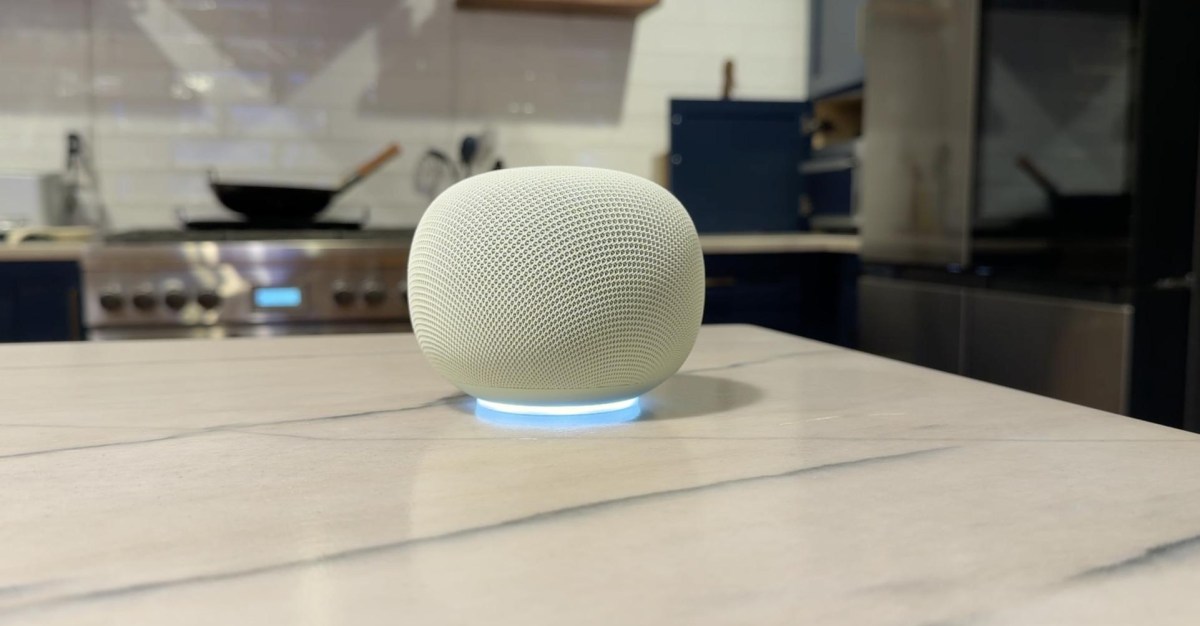
Google has announced that it is expanding its smart home capabilities to include AI agents like Claude and Open Claw, allowing them to access and control connected devices using the Model Context Protocol. This integration, called Google Home MCP, will enable third-party AI agents to interact with your smart home and perform tasks on your behalf.
According to Taylor Lehman, a group product manager at Google Home & Nest, the Home MCP integration will provide AI agents with access to real-world events, allowing for new functionalities such as cross-camera analysis and monitoring device state history. Agents will also be able to communicate with users through voice commands and create custom dashboards for controlling Google Home.
While Google’s Gemini for Home assistant remains the primary interface for Google Home, the MCP integration adds another layer of control, enabling third-party AI agents to interact directly with connected devices.
The launch of this integration is currently limited to Google Home Premium Advanced users in the US, with availability expanding in the coming weeks. Setting up the integration requires creating a Google Cloud project and configuring it for Home MCP.
Security and privacy concerns are addressed by Google through enforced rate limits and safety protections. For example, agents are not allowed to unlock doors. However, unexpected behavior may occur depending on the agent used, so users are advised to review Google’s developer policies and terms of service.
Home Assistant, an open-source smart home platform, has already implemented a similar MCP integration, showcasing the capabilities of giving agents access to smart home systems. This integration allows for complex tasks like troubleshooting, automation creation, dashboard design, and advanced configurations using natural language.
The key benefit of the Home MCP integration is providing AI agents with access to the underlying data and control layer of the smart home, enabling them to understand and act upon real-time information. This advancement moves the smart home towards a more contextual and proactive approach, enhancing overall user experience.
Developers can leverage Google’s agentic Antigravity coding tool to build custom AI agents for the smart home, tapping into Google Home device data and control layer. This move positions Google as the infrastructure layer for smart homes, similar to how AWS serves as infrastructure for internet and software businesses.
The success of Google’s smart home platform remains to be seen, considering the company’s history of launching and discontinuing various smart home platforms. Developers will need to assess whether Google has finally settled on a platform they can rely on for the long term.













Streamlining Data Transfer: iOS 27.2 Facilitates Seamless App Upgrades

10 Android Mods that Change Everything

Electric Showdown: BMW i4 eDrive40 vs. 1M Performance

Russian Enterprises Under Siege: Backdoors, Ransomware, and Wipers Pose Major Threats

Mechadog Mayhem: A New Breed of Tactics and Tricks

Tech Advisor Unveils Exciting New Features for Users

Revolutionizing HR: Exploring the Impact of AI at Disrupt 2026

Google Home Enhances User Experience with MCP Support for Third-Party AI Agents

Seamless Integration: CarPlay Continues to Thrive in the 2027 Chevy Silverado and GMC Sierra

EU Takes Action Against Instagram and Facebook for Violating Illegal Content Rules

Warning: Facebook Creators Face Monetization Loss for Stealing and Reposting Videos

Facebook Compliance: ICE-tracking Page Removed After US Government Intervention

Facebook’s New Look: A Blend of Instagram’s Style

Facebook and Instagram to Reduce Personalized Ads for European Users

InstaDub: Meta’s AI Translation Tool for Instagram Videos

Reclaim Your Account: Facebook and Instagram Launch New Hub for Account Recovery

Meta discontinues Messenger apps for Windows and macOS

Breaking Updates: Meta Connect 2025 Unveils Latest Developments
10 Android Mods that Change Everything

I used the first Android Phone in the World.

DOOGEE MIX 4 UNBOXING (PROTOTYPE)!

MYSTERY UNBOXING FROM SAMSUNG!

The Truth about Huawei P20 Pro – REAL Review

How to Love your Android Phone again.

The LG G7 has a Big Problem.

The most Beautiful Android Games you’ve never played.

Charge your Smartphone in 5 Minutes – How Batteries are about to Change!
-
 Facebook11 months ago
EU Takes Action Against Instagram and Facebook for Violating Illegal Content Rules
-
 Facebook11 months ago
Warning: Facebook Creators Face Monetization Loss for Stealing and Reposting Videos
-
 Facebook11 months ago
Facebook Compliance: ICE-tracking Page Removed After US Government Intervention
-
 Facebook9 months ago
Facebook’s New Look: A Blend of Instagram’s Style
-
 Facebook9 months ago
Facebook and Instagram to Reduce Personalized Ads for European Users
-
 Facebook11 months ago
InstaDub: Meta’s AI Translation Tool for Instagram Videos
-
 Facebook10 months ago
Reclaim Your Account: Facebook and Instagram Launch New Hub for Account Recovery
-
 Apple11 months ago
Meta discontinues Messenger apps for Windows and macOS
