
Cars
BMW and Toyota Pushing the Limits: Testing Gas Cars with Renewable Fuel

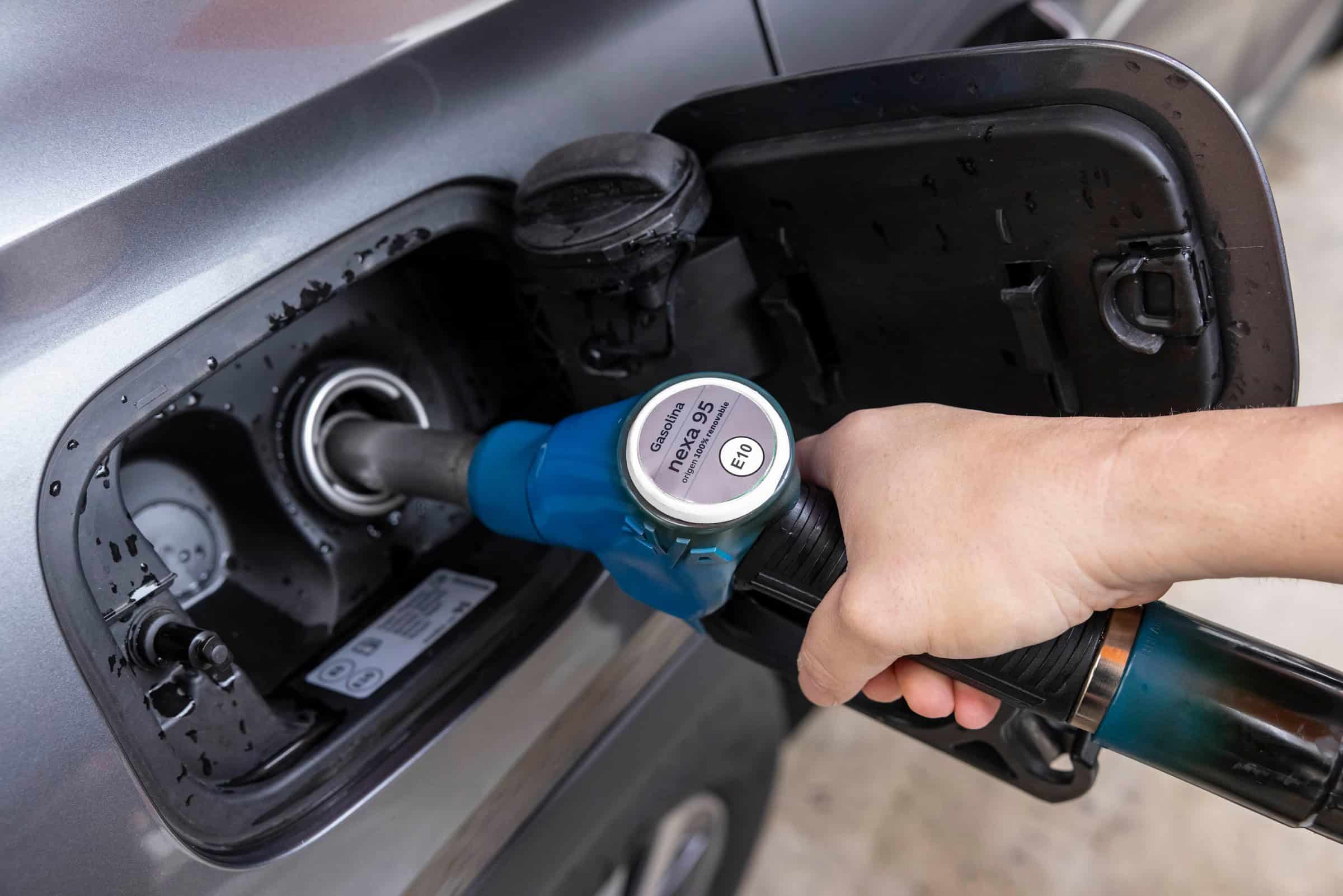
Exploring Renewable Gasoline as a Sustainable Solution
- A pioneering pilot program is currently underway in Spain, leveraging the abundance of renewable gasoline in the region.
- Leading the charge are automotive giants BMW and Toyota, joined by Bosch, which contributes its cutting-edge digital fuel-tracking technology for data collection.
- The primary goal of this collaborative effort is to demonstrate the feasibility of decarbonizing not only new vehicles but also the existing ones traversing our roads.
BMW emphasizes that achieving decarbonization transcends the mere promotion of electric vehicles (EVs), an approach deemed impractical by some authorities, particularly in light of the uneven distribution of charging infrastructure and the higher costs associated with EVs compared to traditional combustion-engine cars. As the prices of new vehicles continue to escalate annually, many consumers are compelled to extend the lifespan of their current vehicles due to financial constraints.
Instead of fixating on the acquisition of new cars, BMW advocates for a more nuanced focus on the substantial fleet of existing vehicles globally, estimated to be around 1.5 billion. This vast pool presents a significant opportunity to curtail emissions and mitigate the environmental impact.
Having previously endorsed Hydrotreated Vegetable Oil (HVO100) as a sustainable diesel alternative, BMW now shifts its attention to a new frontier of renewable gasoline tailored for conventional gasoline-powered vehicles. Teaming up with Toyota, the companies are embarking on a trial involving approximately 20 vehicles over a six-month period, utilizing Repsol’s Nexa 95, a fully renewable gasoline compliant with the EU’s Renewable Energy Directive (RED).
Driving Emission Reductions Through Renewable Gasoline
The utilization of renewable gasoline has the potential to significantly reduce greenhouse gas emissions when compared to traditional fossil fuels, offering a tangible solution to curbing CO2 emissions from existing vehicles before widespread EV adoption becomes feasible.
Bosch plays a pivotal role in the initiative by providing its advanced digital fuel tracking system to monitor the refueling activities of the vehicles during the trial period. Spain was selected as the pilot location due to Repsol’s existing provision of renewable gasoline at public fueling stations. In addition to BMW and Toyota models, several Lexus vehicles are also participating, all sourced from the respective fleets of BMW Group and Toyota Spain.
While renewable gasoline and diesel present promising alternatives for reducing emissions from current vehicles, the scalability of production remains a critical factor. Nevertheless, each stride towards this goal is significant, with the ongoing trial aiming to demonstrate the feasibility of this sustainable approach. As no mechanical modifications are required for the vehicles, refueling with renewable gasoline proves to be a seamless process.
In an ideal scenario, all vehicles would already be powered by EVs running on renewable energy. However, a complete transition to this model in the immediate future is deemed impractical.












Mesmerizing Aurora Captured by NASA Astronaut on iPhone from ISS

Cool Tech under $100 – December!

Zeekr 7X: Unveiling the Global Makeover, Chinese Upgrades Left Behind

Honey, Xbox’s Mini Controller

We Unleashed a Cutting-Edge Platform: Introducing the Mighty Games Forge Launcher – The Next Evolution in Gaming Excellence

Unlocking the Potential: Reimagining Tech Advisor with 3 Key Features

Fitbit Air Unveils Exciting New Features in Latest Update

Understanding the Differences: Solar Tubular Batteries vs. Standard IT Batteries

Protect Your Investment: The Importance of AppleCare+

EU Takes Action Against Instagram and Facebook for Violating Illegal Content Rules

Warning: Facebook Creators Face Monetization Loss for Stealing and Reposting Videos

Facebook’s New Look: A Blend of Instagram’s Style

Facebook Compliance: ICE-tracking Page Removed After US Government Intervention

Facebook and Instagram to Reduce Personalized Ads for European Users

InstaDub: Meta’s AI Translation Tool for Instagram Videos

Reclaim Your Account: Facebook and Instagram Launch New Hub for Account Recovery

Meta discontinues Messenger apps for Windows and macOS

Breaking Updates: Meta Connect 2025 Unveils Latest Developments
Cool Tech under $100 – December!

MYSTERY UNBOXING FROM GOOGLE!

TOP 6 Smartphones from Companies you NEVER Expected!

A Surprise Smartphone from EE!

DOOGEE MIX 2 VS DOOGEE MIX 1!

INCREDIBLE Smartphone Gadgets on Amazon!

10 Android Apps you NEED to try in 2017 / 2018

The Most Bizarre Smartphone we’ve seen all year.

Best Tech under $2000 – December 2017 / January 2018!
-
 Facebook12 months ago
EU Takes Action Against Instagram and Facebook for Violating Illegal Content Rules
-
 Facebook1 year ago
Warning: Facebook Creators Face Monetization Loss for Stealing and Reposting Videos
-
 Facebook10 months ago
Facebook’s New Look: A Blend of Instagram’s Style
-
 Facebook1 year ago
Facebook Compliance: ICE-tracking Page Removed After US Government Intervention
-
 Facebook10 months ago
Facebook and Instagram to Reduce Personalized Ads for European Users
-
 Facebook1 year ago
InstaDub: Meta’s AI Translation Tool for Instagram Videos
-
 Facebook10 months ago
Reclaim Your Account: Facebook and Instagram Launch New Hub for Account Recovery
-
 Apple12 months ago
Meta discontinues Messenger apps for Windows and macOS
