Exploring the Sound of Electric M Cars
- Frank van Meel, the BMW M boss, rejects the idea of artificially adding V8 or V10 engine sounds to electric M vehicles, labeling it as unoriginal behavior.
- BMW’s sound engineers highlight that the S85 V10 engine, when held at a constant 6,000 rpm, emits a sound resembling a kitchen appliance rather than a traditional engine note.
- The upcoming ZA0, BMW’s first electric M3 model, will replicate gear shifts without the traditional torque interruption.
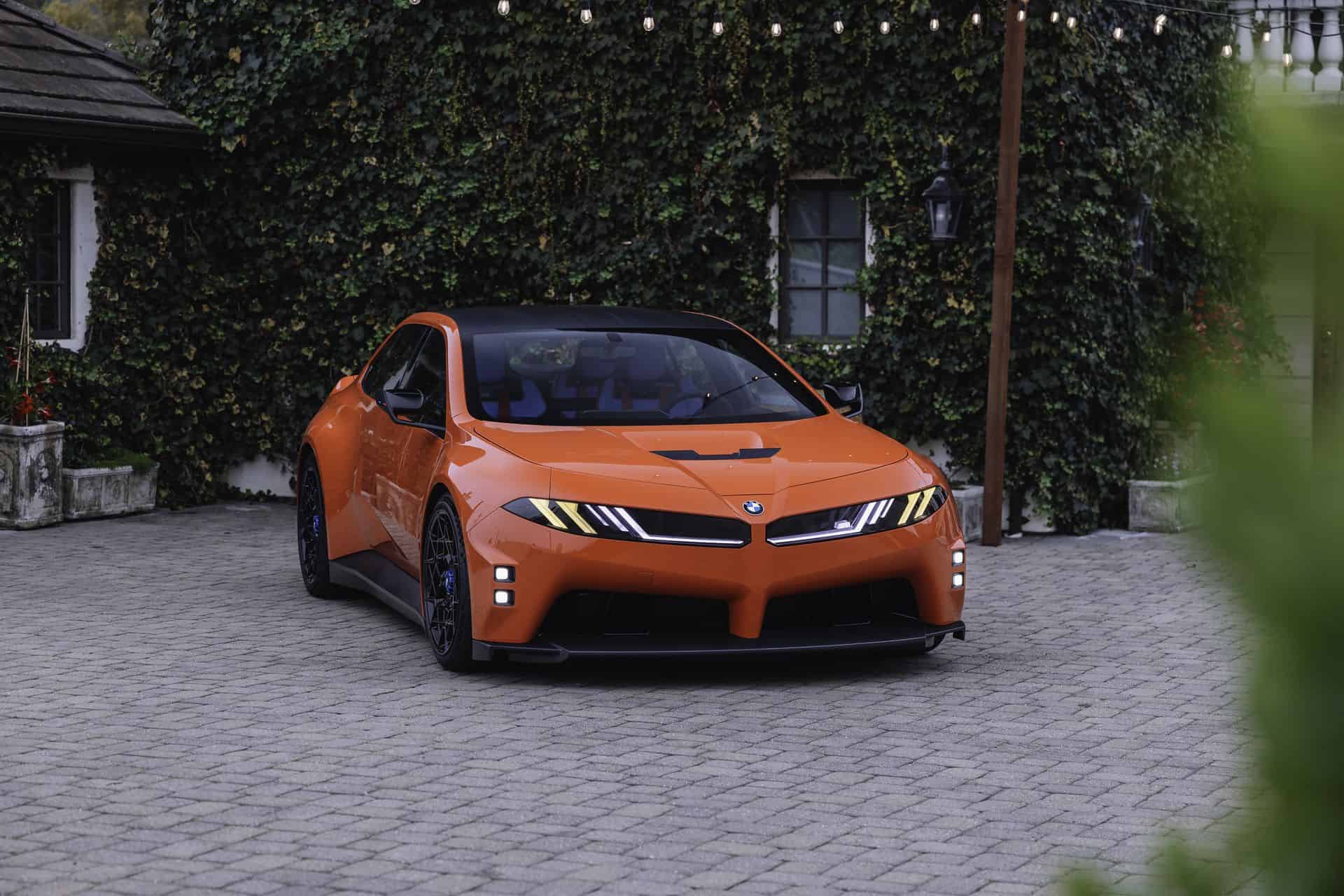
In a recent interview with Motor1, Frank van Meel expressed his stance against simulating V8 or V10 engine sounds in electric M cars, emphasizing the importance of authenticity over imitation. He underlined the distinction during the introduction of the M Concept Neue Klasse.
Authentic Sound Experience
Van Meel’s objection is specifically directed towards masking the true nature of the vehicle, rather than the concept of synthesized sound itself. Overlaying a recorded V8 or V10 sound onto an electric vehicle’s actual sound profile attempts to misrepresent the car’s identity. He supported this stance with a revelation from BMW’s sound team, noting that the S85 V10 engine from the E60 M5 produces a kitchen appliance-like sound at a steady 6,000 rpm.
Emulating Gear Shifts
Regarding gear functionality, van Meel introduces a different perspective. He advocates for electric M vehicles to simulate distinct gear changes, contrasting with the seamless torque delivery typical of most electric cars. The goal is to provide the sensation of shifting gears without the actual torque interruption experienced in traditional combustion engines. BMW remains committed to enhancing its inline-six and V8 engines to comply with Euro 7 emissions standards.
Electric M3 on the Horizon
The forthcoming ZA0, internally known as BMW’s next M3 model and the first all-electric M car, is anticipated to commence production in Munich by March 2027. It will feature four independent electric motors, one per wheel, organized into two M eDrive units, one for each axle, with torque vectoring managed through software. The expected power output ranges between 800 and 900 horsepower, positioning it as the most potent M3 model to date, electric or otherwise.
Both the ZA0 and its combustion counterpart, the G84, will not offer manual transmissions. With no physical gearbox, the ZA0 necessitates deliberate programming to simulate gear shifts, ensuring a seamless driving experience. Van Meel’s insights provide a glimpse into the innovative developments underway within BMW’s engineering team.