
Gadgets
Unveiling the Vulnerabilities: The Biometric Security Risks of Android Phones

Summary generated by Smart Answers AI
In summary:
- A recent report by UK-based consumer choice organization Which? has revealed that 64% of Android smartphones tested since 2022 have facial recognition systems that can be easily fooled by simple 2D photos.
- Popular brands such as Samsung, Oppo, and Motorola failed security tests, while Google Pixel and Apple iPhone models passed using more advanced technology.
- This security vulnerability exposes personal data like photos and emails, emphasizing the importance of using more secure authentication methods such as PINs or fingerprint recognition.
Which? has uncovered a concerning security flaw that affects nearly two-thirds of modern smartphones.
According to Which?, out of the 208 phones tested since 2022, a significant 64% (133 phones) could have their facial recognition systems tricked by a simple 2D photo.
Several well-known brands, including Asus, Samsung, Motorola, and Xiaomi, were among those that failed to pass this basic security test.
While budget and mid-range models are primarily affected, even high-end devices like the Oppo Find X9 Pro and Samsung Galaxy S25 range were found to be vulnerable.
The year 2024 saw an increase in the number of phones susceptible to the 2D photo hack, with 72% failing the test.
Notable exceptions to this security flaw include recent Google Pixel and Samsung Galaxy S26 models, which passed the test successfully.
Apple’s iPhone range, known for its advanced 3D facial recognition technology, also emerged unscathed from the security test.
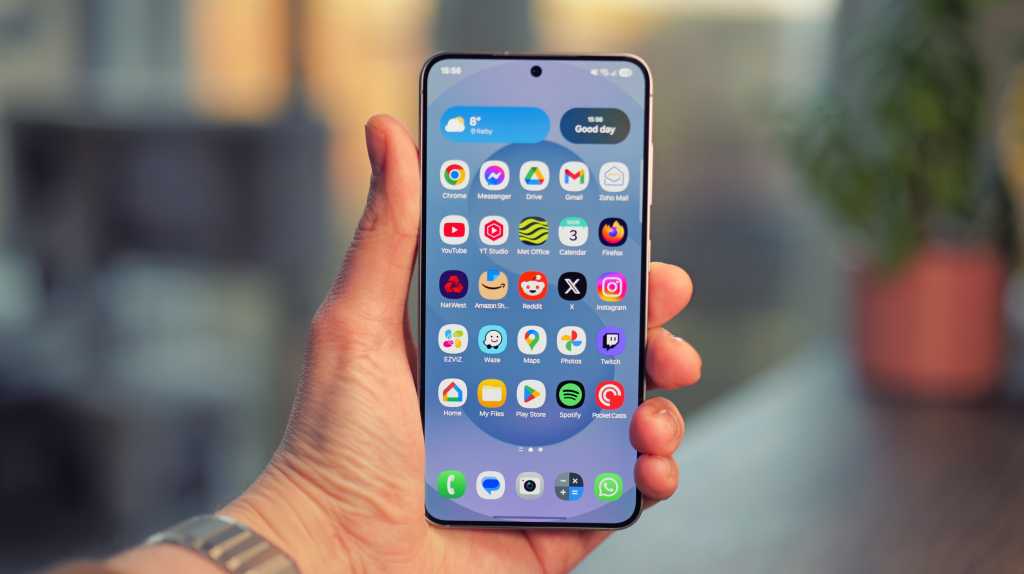
Chris Hall / Foundry
Time to face the reality
The issue of facial recognition vulnerability is not new, and most Android phones that fail the test will display a warning message during setup.
However, Which? has expressed concerns that certain manufacturers, such as Motorola, OnePlus, and Nothing, do not adequately inform users about the limitations of their facial recognition systems.
While these insecure systems may not be used for mobile payments, they can still grant access to personal data like photos, messages, and emails, potentially enabling unauthorized access to accounts.
The recommended solution for users with affected phones is to avoid using facial recognition altogether and rely on more secure methods like PIN codes and fingerprint authentication.
Alternatively, some Android phones allow users to secure sensitive apps like WhatsApp with PIN or fingerprint protection, limiting the use of 2D facial recognition to unlocking the device.











Upgrade Alert: HomePod Mini 2 and HomePod 2 Set to Become Default Mac Speakers

Finally Fixing my Wi-Fi – Zyxel Multy X!

Lost in the Living Maze: Unraveling Hidden Terrain Magic Through Copy-Paste

Samsung Unveils Exclusive Galaxy Z Fold 8 BTS Edition

Navigating the Digital World: Expert Tech Advice for Everyman

OMass Therapeutics Secures €275 Million Funding to Advance Innovative Small-Molecule Therapies

The Evolution of Apple’s Smart Home Strategy: A Closer Look at Their Own Devices

Unveiling the Imposter: The Truth Behind the Fake WhatsApp Clone on the Play Store

Digital Protection: How a 1988 Law Could Safeguard Your Online Viewing Experience

EU Takes Action Against Instagram and Facebook for Violating Illegal Content Rules

Warning: Facebook Creators Face Monetization Loss for Stealing and Reposting Videos

Facebook’s New Look: A Blend of Instagram’s Style

Facebook Compliance: ICE-tracking Page Removed After US Government Intervention

Facebook and Instagram to Reduce Personalized Ads for European Users

InstaDub: Meta’s AI Translation Tool for Instagram Videos

Reclaim Your Account: Facebook and Instagram Launch New Hub for Account Recovery

Meta discontinues Messenger apps for Windows and macOS

Breaking Updates: Meta Connect 2025 Unveils Latest Developments
Finally Fixing my Wi-Fi – Zyxel Multy X!

$25,000 Gaming Setup – EVOLUTION!

The Maze Alpha X is HERE!

Cool Tech under $100 – December!

MYSTERY UNBOXING FROM GOOGLE!

TOP 6 Smartphones from Companies you NEVER Expected!

A Surprise Smartphone from EE!

DOOGEE MIX 2 VS DOOGEE MIX 1!

INCREDIBLE Smartphone Gadgets on Amazon!
-
 Facebook12 months ago
EU Takes Action Against Instagram and Facebook for Violating Illegal Content Rules
-
 Facebook1 year ago
Warning: Facebook Creators Face Monetization Loss for Stealing and Reposting Videos
-
 Facebook10 months ago
Facebook’s New Look: A Blend of Instagram’s Style
-
 Facebook1 year ago
Facebook Compliance: ICE-tracking Page Removed After US Government Intervention
-
 Facebook10 months ago
Facebook and Instagram to Reduce Personalized Ads for European Users
-
 Facebook1 year ago
InstaDub: Meta’s AI Translation Tool for Instagram Videos
-
 Facebook11 months ago
Reclaim Your Account: Facebook and Instagram Launch New Hub for Account Recovery
-
 Apple12 months ago
Meta discontinues Messenger apps for Windows and macOS
