
Revolutionizing Mobile Technology: Vibe Coding is Here

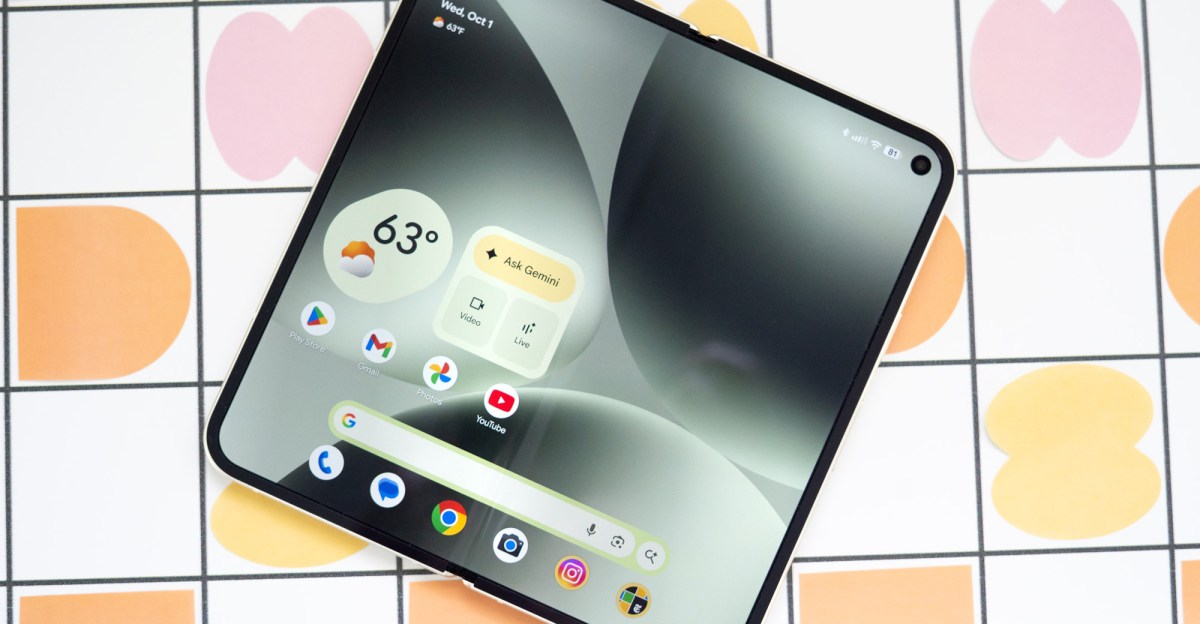
The Evolution of App Development: Vibe Coding and Personalization
The App Store’s iconic tagline, “There’s an app for that,” has been a driving force behind the evolution of smartphone technology. While the promise may not have been entirely accurate, with some niche needs still unmet, apps have undeniably transformed the way we use our phones. From scrolling and tapping to finding exactly what we need, apps have become an integral part of our daily lives.
In recent years, the concept of “vibe coding” has gained traction among non-developers. As AI coding tools have become more advanced and accessible, individuals are finding success in creating apps that cater to specific needs. While vibe coders primarily focus on desktop software, indications suggest that mobile app development is the next frontier.
Google is leading the charge in making app development more user-friendly with its AI Studio vibe-coding tool. This tool allows users to create native Android apps and export them to their phones in a matter of minutes. While the feature is currently limited to “personal utility” apps, the potential for creating custom apps tailored to individual preferences is vast.
For those who find creating a full-fledged app daunting, Google has introduced a feature to create custom widgets. These widgets, powered by Gemini’s knowledge base, offer a new level of personalization by providing specific information at a glance. While the success of these tools hinges on their functionality, the prospect of tailored widgets is undeniably appealing.
Google’s initiative with AI-generated widgets is just the beginning of a concept known as “generative UI.” This approach envisions a phone that dynamically creates interfaces and apps based on users’ immediate needs. While the idea is intriguing, Android president Sameer Samat acknowledges the importance of maintaining a balance between personalization and usability.
Meanwhile, Apple is also exploring ways to enhance user personalization with shortcuts based on prompts. These shortcuts, created within the Shortcuts app, offer automation possibilities that can streamline daily tasks. While the complexity of shortcuts may be a deterrent for some users, the potential for seamless integration into daily routines is promising.
The integration of AI into mobile devices has long been touted as a game-changer by tech companies. While advancements like upgraded voice assistants and AI-powered features have been introduced, the fundamental user experience remains largely unchanged. However, the ability to prompt apps, widgets, and automations into existence represents a step towards a more personalized mobile experience.
In conclusion, the landscape of app development is evolving, with a focus on user-friendly tools and personalized experiences. Whether through vibe coding, custom widgets, or AI-generated shortcuts, the future of mobile technology is geared towards empowering users to tailor their devices to their unique preferences.









Uncovering the Bronze Age Influence in Paradox’s Afterworld: A Deeper Dive Beyond the Top Five Reference Points

iPhone Duo: The Future of Mobile Dominance

Tech Advisor: The Delayed Android 17 QPR1 Update for Pixel 11

Venture Capital Firm Monte Carlo Capital Secures €13 Million for Fund II to Back Early-Stage DeepTech, AI, and SpaceTech Startups

The Battle Over iPhone Driver’s Licenses: Florida and Rhode Island Stand Firm

How Smart is the AI-Powered Huawei Mate 10 – with EMUI 8.0?

Reviving the Legacy: Porsche Mission S Unveils Carrera GT-Inspired Gauge Cluster

Navigating the New Normal: Satya Nadella’s Journey in the Post-COVID World of Microsoft

Persona 4 Reborn: Unveiling Naoto Shirogane’s Return in New Trailer

EU Takes Action Against Instagram and Facebook for Violating Illegal Content Rules

Warning: Facebook Creators Face Monetization Loss for Stealing and Reposting Videos

Facebook’s New Look: A Blend of Instagram’s Style

Facebook Compliance: ICE-tracking Page Removed After US Government Intervention

Facebook and Instagram to Reduce Personalized Ads for European Users

InstaDub: Meta’s AI Translation Tool for Instagram Videos

Reclaim Your Account: Facebook and Instagram Launch New Hub for Account Recovery

Meta discontinues Messenger apps for Windows and macOS

Breaking Updates: Meta Connect 2025 Unveils Latest Developments
How Smart is the AI-Powered Huawei Mate 10 – with EMUI 8.0?

I used a 2012 Smartphone in 2018 – Here’s what happened.

How to send ANY file Anywhere!

NEW Oneplus 5T Sandstone White Unboxing – The Ultimate Oneplus 5T?

HUAWEI P20 – THE SMARTPHONE REVOLUTION IS HERE?

How OnePlus succeeded when they should have failed.

Samsung sent us THIS! #AD

Ulefone Power 3 – Quad Camera Smartphone that last 2 weeks!

EPIC Smartphone FAILS that people will never forget.
-
 Facebook12 months ago
EU Takes Action Against Instagram and Facebook for Violating Illegal Content Rules
-
 Facebook12 months ago
Warning: Facebook Creators Face Monetization Loss for Stealing and Reposting Videos
-
 Facebook10 months ago
Facebook’s New Look: A Blend of Instagram’s Style
-
 Facebook12 months ago
Facebook Compliance: ICE-tracking Page Removed After US Government Intervention
-
 Facebook10 months ago
Facebook and Instagram to Reduce Personalized Ads for European Users
-
 Facebook12 months ago
InstaDub: Meta’s AI Translation Tool for Instagram Videos
-
 Facebook10 months ago
Reclaim Your Account: Facebook and Instagram Launch New Hub for Account Recovery
-
 Apple12 months ago
Meta discontinues Messenger apps for Windows and macOS
