
Security
The Untapped Potential of AI Agents: Why Organizations Must Recognize Their Individual Identities

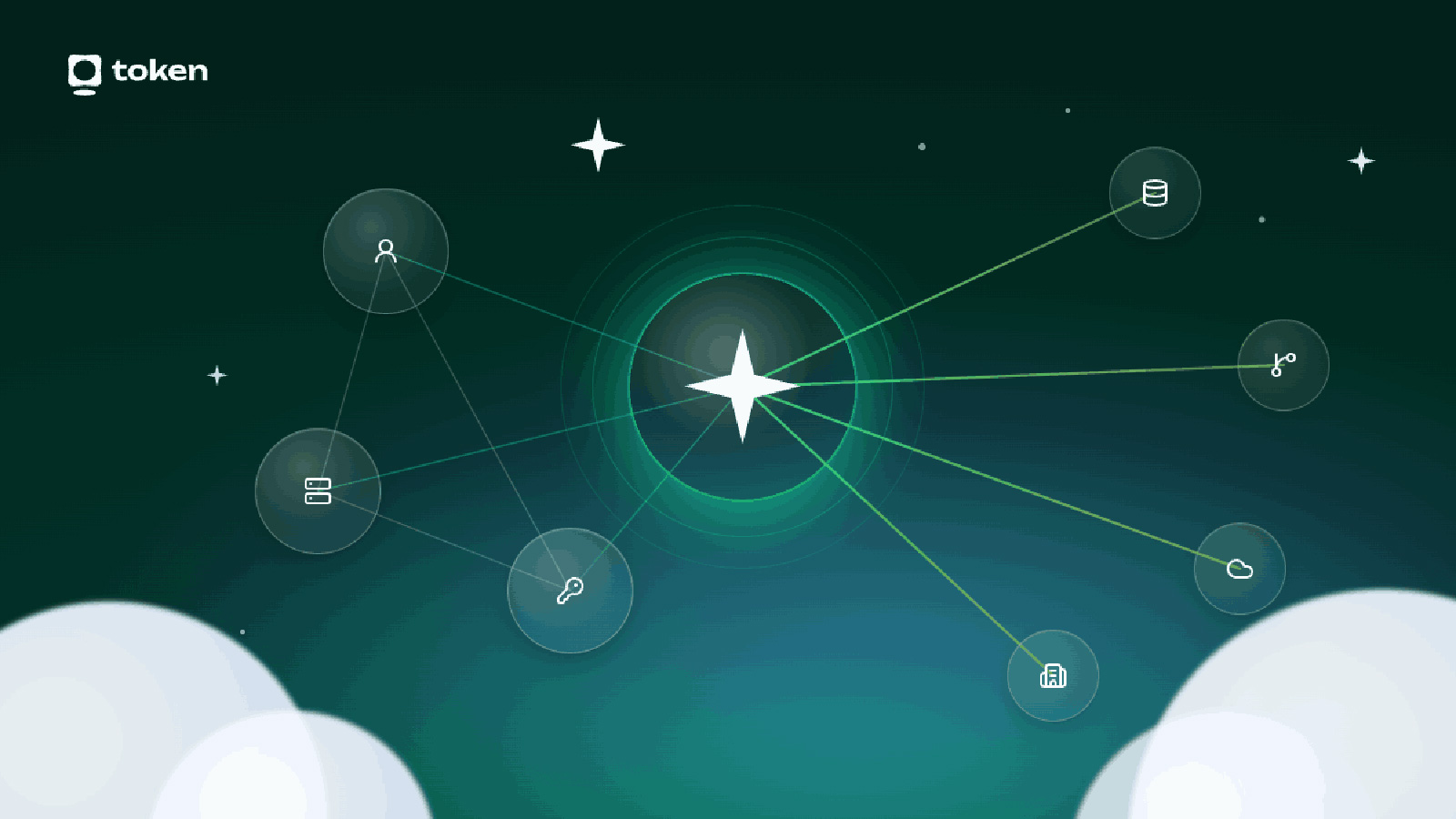
In recent years, security teams have centered their strategies around the concept that controlling identities equates to controlling risk. This involves employees authenticating through identity providers, service accounts connecting systems, and API keys enabling workloads to communicate with cloud services and databases.
Traditionally, the actors involved in these security measures have been quite predictable, leading to a security and governance model that follows suit. However, a shift is occurring as AI agents have started to infiltrate the enterprise landscape discreetly. Initially seen as productivity tools, these AI agents have now been integrated into critical business services like Salesforce, Snowflake, GitHub, Jira, production databases, and cloud environments.
These AI agents now have the ability to retrieve information, trigger workflows, update records, write and deploy code, and perform various actions across multiple systems. This blurs the lines between human and autonomous actions, leading to a lack of established security and governance models for these AI agents within most enterprises.
The introduction of AI agents has also outpaced traditional Identity and Access Management (IAM) controls, as they create, use, and switch identities at a rapid pace. Token Security offers a solution to help teams manage the lifecycle of AI agent identities, mitigate risk, and maintain governance and audit readiness without compromising speed.
A survey conducted by Token Security revealed that 82% of organizations discovered at least one AI agent created without the knowledge of security, IT, or governance teams in the past year, with 41% experiencing this multiple times.
While much attention has been focused on model risk in AI security, such as prompt injection and unsafe outputs, the crucial question remains: what can the AI agent access? Depending on the agent’s connections and permissions, the potential for security incidents involving sensitive data exposure or misuse is a real concern.
To address these challenges, security teams need to enhance visibility by discovering and inventorying AI agents beyond just surface-level information. Understanding ownership, system connections, credentials, and permissions is essential to mitigating risks posed by these agents.
Furthermore, security and governance measures must align with the intent of the AI agent. Permissions should match the agent’s actual purpose to prevent overprivileged access and potential security breaches. Continuous governance is necessary to adapt to changing agent behaviors, instructions, and integrations.
Successful enterprises will be those that embrace AI innovation while implementing robust security measures for AI agents. Token Security offers a solution to make AI agents governable and promote secure AI practices, ensuring that these privileged insiders do not become invisible attack paths.
To learn more about how Token Security is addressing these challenges, schedule a demo with our technical team. Embrace AI innovation while prioritizing safety with Token Security.













Purdue and University of Illinois Join Forces to Enhance Semiconductor Industry Talent Pool

Unveiling the Secrets of ARC Raiders: Exploring Frozen Trails, Pendola Pass, Weapon Amplification, and Beyond

Samsung Galaxy S25: Unveiling Android 17 in September – Tech Advisor

Top Phones to Run Qualcomm Snapdragon 8 Elite Gen 6 – Tech Advisor’s Picks

Navigating Expansion: Essential Tips for European Founders Entering the US Market (Sponsored)

Unveiling iOS 27.2: Enhanced features, official release date, and much more

THE BEST PHONE HTC EVER MADE?

Revolutionizing Luxury: The 2027 Bentley Torcal – A Fusion of British Elegance and Porsche Performance

Activision’s Halo Takeover: A Game-Changing Xbox Overhaul

EU Takes Action Against Instagram and Facebook for Violating Illegal Content Rules

Warning: Facebook Creators Face Monetization Loss for Stealing and Reposting Videos

Facebook’s New Look: A Blend of Instagram’s Style

Facebook Compliance: ICE-tracking Page Removed After US Government Intervention

Facebook and Instagram to Reduce Personalized Ads for European Users

InstaDub: Meta’s AI Translation Tool for Instagram Videos

Reclaim Your Account: Facebook and Instagram Launch New Hub for Account Recovery

Meta discontinues Messenger apps for Windows and macOS

Breaking Updates: Meta Connect 2025 Unveils Latest Developments
THE BEST PHONE HTC EVER MADE?

The Truth about Google?

Samsung S9/ S9+ vs iPhone X vs Galaxy Note 8 Battery Life DRAIN TEST

Samsung S9 / S9+ vs Mate 10 Pro vs iPhone X Charging SPEED Test

The BEST APPS in 2018 – ft. MKBHD, UrAvgConsumer, iJustine + More

The ULTIMATE Smartphone Unboxing!!

HOW GOOD can a $250 Smartphone Camera be!?

10 Android Apps you NEED to try in 2018

They could not believe how cheap this Phone is
-
 Facebook11 months ago
EU Takes Action Against Instagram and Facebook for Violating Illegal Content Rules
-
 Facebook11 months ago
Warning: Facebook Creators Face Monetization Loss for Stealing and Reposting Videos
-
 Facebook10 months ago
Facebook’s New Look: A Blend of Instagram’s Style
-
 Facebook11 months ago
Facebook Compliance: ICE-tracking Page Removed After US Government Intervention
-
 Facebook10 months ago
Facebook and Instagram to Reduce Personalized Ads for European Users
-
 Facebook11 months ago
InstaDub: Meta’s AI Translation Tool for Instagram Videos
-
 Facebook10 months ago
Reclaim Your Account: Facebook and Instagram Launch New Hub for Account Recovery
-
 Apple11 months ago
Meta discontinues Messenger apps for Windows and macOS
