
Tech News
The Future of SaaS: Key Trends for Founders and Product Strategists in 2025

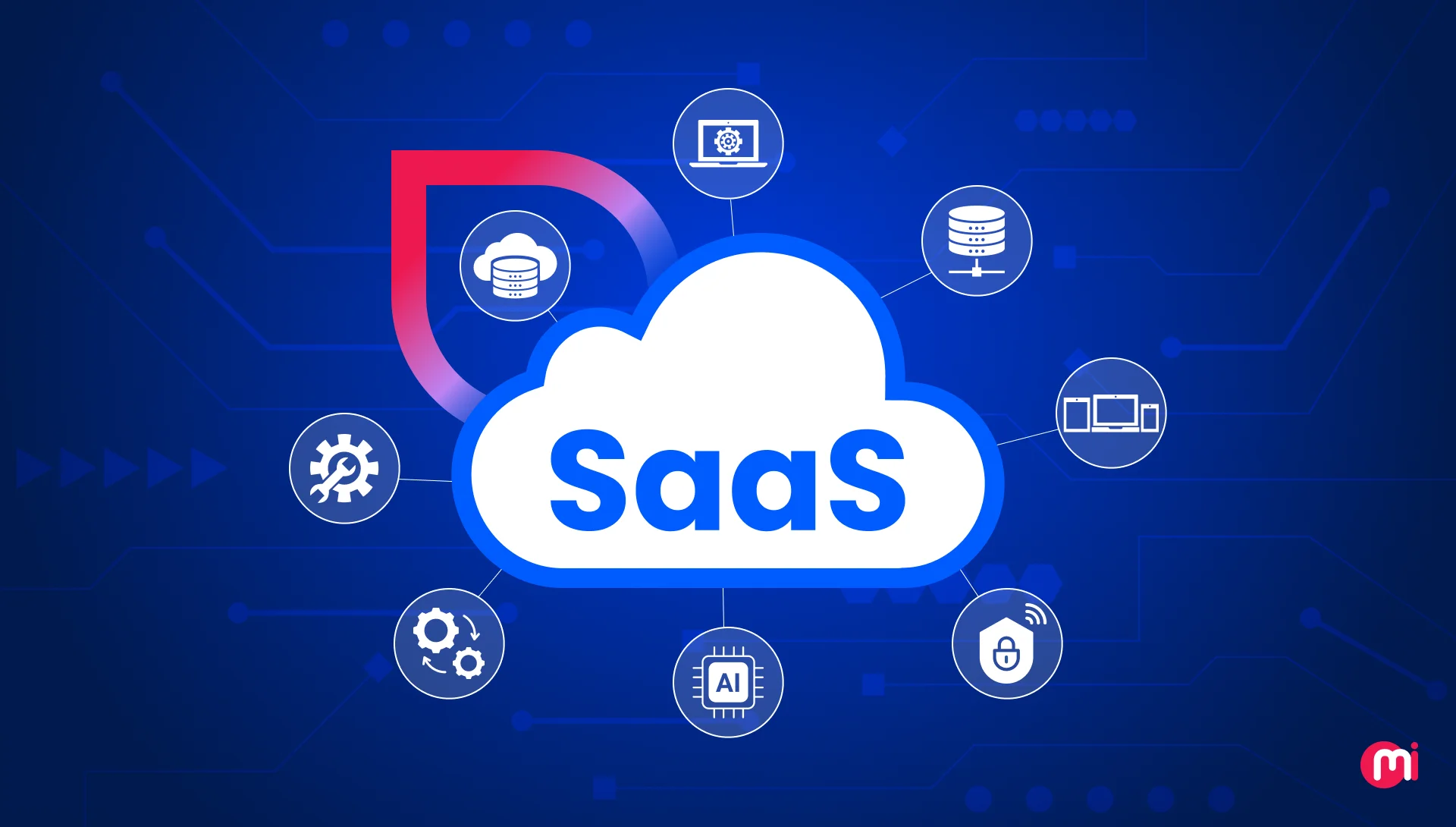
SaaS industry trends are constantly evolving. In 2025, the top SaaS trends include AI-driven automation, vertical SaaS, micro SaaS, flexible pricing models, AIaaS, data privacy, API-first approach, and more. Adapting to these trends is crucial for businesses looking to succeed in the competitive SaaS landscape.
Leading SaaS brands such as HubSpot, Canva, CollabCRM, Salesforce, Receipt AI, Shopify, and Stripe are leveraging these trends to differentiate their products and stay ahead in the market. Adapting to evolving SaaS trends helps these brands meet user demands and stay relevant.
This article explores the top 10 SaaS trends in 2025 that are reshaping how businesses develop and scale software as a service solutions. Whether you’re a founder, product strategist, or CXO, understanding these trends can help future-proof your SaaS business.

Key Takeaways:
- AI and automation are transforming SaaS value creation, enabling smarter workflows and personalized experiences.
- Vertical and Micro-SaaS models are driving specialization, catering to niche markets with precision.
- Flexible pricing and composable architectures empower customers with control and transparency.
- Data privacy and trust are becoming critical for customer loyalty and growth.
- Global expansion and sustainability-focused innovation are shaping the future of SaaS.
What are the Top 10 SaaS Trends in 2025?
The top SaaS trends for 2025 include AI integration, vertical and micro-SaaS growth, low-code platforms, enhanced cybersecurity, and more. These trends are reshaping the SaaS industry and influencing the development of software solutions.
Here are the top 10 SaaS trends to watch in 2025:
1. AI-Driven Automation Redefining SaaS Value
AI and machine learning are revolutionizing SaaS by enabling automation and predictive analytics, enhancing user experiences.
Benefits:
- AI streamlines processes and boosts productivity.
- Personalized experiences and data-driven insights.
- Smarter decision-making and scalable automation.
Example: HubSpot and Canva utilize AI for workflow automation and design suggestions.
Businesses must anticipate customer needs, not just react to them.
~ Parker Harris, Salesforce co-founder.
2. Vertical SaaS and Industry Specialization
Vertical SaaS caters to specific industries, offering tailored solutions and deep integrations.
Benefits:
- Industry-specific solutions.
- Reduced implementation time.
- Enhanced customer loyalty.
- Scalability within vertical ecosystems.
Example: CollabCRM provides industry-focused business management solutions for IT companies.
Explore: Cloud Vs. SaaS.
3. Rise of Micro-SaaS and Product-Led Growth
Micro-SaaS solutions are niche-focused, driving growth through product-led strategies.
Benefits:
- Quick market entry and cost-effective development.
- Clear product-market fit and organic growth.
- Scalable revenue and minimal marketing spend.
Example: Receipt AI simplifies accounting processes with AI-powered receipt management.
4. Flexible and Usage-Based Pricing
Usage-based pricing models align costs with value, improving customer satisfaction and revenue predictability.
Benefits:
- Lower entry barriers and efficient billing.
- Revenue scaling based on customer success.
- Transparent pricing and customer trust.
Example: Twilio and AWS offer usage-based pricing, allowing customers to pay for services used.
Read: How to Bootstrap a SaaS Start-Up?
5. AI-as-a-Service for Innovation
AIaaS provides ready-to-use AI tools for SaaS businesses, accelerating innovation and competitiveness.
Benefits:
- Cost-effective innovation and experimentation.
- Enhanced user experiences and competitiveness.
- Level playing field for startups and enterprises.
Example: Grammarly and Canva leverage AIaaS for natural language processing and design automation.
Discover: What is AIaaS?
6. Data Privacy and Trust as Competitive Advantages
Data privacy and security are crucial for customer trust and brand credibility.
Benefits:
- Builds customer confidence and loyalty.
- Protects against compliance violations.
- Enhances transparency and ethical data use.
Example: Salesforce and Atlassian prioritize privacy and compliance in their offerings.
7. API-First and Composable Ecosystems
API-first and composable architectures enable flexible integrations and rapid innovation.
Benefits:
- Quick integrations and scalability.
- Customization for diverse business needs.
- Partnerships through open ecosystems.
Example: Shopify and Stripe excel in API-first design, enabling seamless global integrations.
8. Cybersecurity-Embedded SaaS for Customer Retention
Embedded cybersecurity is essential for trust and customer retention in SaaS solutions.
Benefits:
- Prevents data breaches and loss.
- Builds customer confidence and loyalty.
- Reduces downtime and reputational risks.
Example: Zoom enhanced its security measures to regain customer trust and confidence.
9. Global SaaS Expansion through Localization
Localization is key for global SaaS expansion, catering to diverse markets and regulatory requirements.
Benefits:
- Enhances market reach and adoption.
- Complies with local regulations and preferences.
- Builds credibility and brand trust globally.
Example: Freshworks and Zoho offer localized solutions to connect with international audiences.
10. Sustainable and Ethical SaaS Practices
Sustainability and ethics are becoming paramount for SaaS companies, impacting brand reputation and customer loyalty.
Benefits:
- Enhances brand image and credibility.
- Meets ESG criteria and attracts conscious clients.
- Reduces operational costs and environmental impact.
Example: Salesforce and Microsoft lead in sustainable practices with renewable energy commitments.

Wrapping Up!
The SaaS industry in 2025 is dynamic and driven by innovation, specialization, and sustainability. Understanding and adapting to key trends like AI-driven automation, vertical SaaS, and ethical practices can give businesses a competitive edge.
By balancing innovation with trust, leveraging AI for value creation, and focusing on sustainability, SaaS companies can thrive in the evolving landscape.
If you’re looking to enhance your SaaS product for the future, it’s essential to act now. Partnering with a reliable SaaS development company like MindInventory can help you navigate these trends and achieve success in the market.
FAQs on SaaS Trends
AI-driven automation is the most crucial trend in 2025, impacting efficiency and innovation in the SaaS industry.
Small SaaS companies can integrate AI APIs for cost-effective innovation and faster development.
Vertical SaaS offers industry-specific solutions, enhancing efficiency and compliance.
Usage-based, pay-as-you-go, and tiered pricing are popular flexible models in SaaS.
Global expansion requires localization, compliance with regulations, and scalable platforms.












Can You Use an iPhone 17 Pro Case on the iPhone 18 Pro?

BMW M2 CS Production Concludes with Record-Breaking 2,882 Cars Sold, a 21% Increase from Previous Model

Fortnite Hearts: Keyblade Chaos under the Heart Moon

The Imperfect Brilliance of the Google Pixel 11 Pro

Cycloid Secures Spot in European Commission’s €180 Million Sovereign Cloud Framework after Successful Series A Funding Round

Exploring the Exciting Updates of iOS 27: A Look Beyond Artificial Intelligence

A $50,000 Smartphone for $400?

Ram Trucks Australia Braces for Price Increases Due to Emissions Regulations

Revving Up: Tractor Battle Adventure RPG Expands with Mod Support on Steam Workshop

EU Takes Action Against Instagram and Facebook for Violating Illegal Content Rules

Warning: Facebook Creators Face Monetization Loss for Stealing and Reposting Videos

Facebook’s New Look: A Blend of Instagram’s Style

Facebook Compliance: ICE-tracking Page Removed After US Government Intervention

Facebook and Instagram to Reduce Personalized Ads for European Users

InstaDub: Meta’s AI Translation Tool for Instagram Videos

Reclaim Your Account: Facebook and Instagram Launch New Hub for Account Recovery

Meta discontinues Messenger apps for Windows and macOS

Breaking Updates: Meta Connect 2025 Unveils Latest Developments
A $50,000 Smartphone for $400?

Huawei P20 Pro Unboxing!

Huawei P20 Pro vs Samsung S9 Plus!

Huawei P20 vs P20 Pro vs iPhone 8 Plus vs S9 Battery Drain Test!

10 Android Mods that Change Everything

I used the first Android Phone in the World.

DOOGEE MIX 4 UNBOXING (PROTOTYPE)!

MYSTERY UNBOXING FROM SAMSUNG!

The Truth about Huawei P20 Pro – REAL Review
-
 Facebook11 months ago
EU Takes Action Against Instagram and Facebook for Violating Illegal Content Rules
-
 Facebook11 months ago
Warning: Facebook Creators Face Monetization Loss for Stealing and Reposting Videos
-
 Facebook9 months ago
Facebook’s New Look: A Blend of Instagram’s Style
-
 Facebook11 months ago
Facebook Compliance: ICE-tracking Page Removed After US Government Intervention
-
 Facebook9 months ago
Facebook and Instagram to Reduce Personalized Ads for European Users
-
 Facebook11 months ago
InstaDub: Meta’s AI Translation Tool for Instagram Videos
-
 Facebook10 months ago
Reclaim Your Account: Facebook and Instagram Launch New Hub for Account Recovery
-
 Apple11 months ago
Meta discontinues Messenger apps for Windows and macOS
