
Tech News
The Rise of Subscription Services: Navigating the New Android Era


Android’s current state reflects a shift in focus towards AI by Google, leaving the operating system feeling neglected. What used to be a flagship product now seems to serve as a vessel for the company’s AI aspirations.
The evolving landscape of Android reveals a heavy emphasis on AI services, cloud processing, and subscription-based models. Key features are no longer inherent to the phone but rather accessible through internet connections, Google accounts, and sometimes, paid subscriptions.
Android feels like little more than a vehicle for the company’s AI ambitions
Recent Google I/O events have highlighted AI advancements, relegating Android to secondary status with lesser attention. The focus has shifted towards AI-powered, cloud-dependent features that often require ongoing subscriptions.
From on-device to subscription
Google’s emphasis on AI subscriptions over Android itself is evident in recent announcements. Gemini, AI agents, and cloud-based intelligence take the spotlight, with Android serving as a conduit for delivering these services.
Android no longer appears to be its main product. AI subscriptions are
Many of the touted features are subscription-based products, including Daily Brief, Gemini Spark, and Information Agents, requiring monthly fees for access. The shift towards subscription models marks a departure from Android’s traditional model of software improvements through updates and app features.
Anurag Singh / Foundry
The shift towards AI subscriptions marks a departure from Android’s traditional model of software improvements through updates and app features.
Google’s recent focus on developer registration outside the Play Store has raised concerns about the future of sideloading and open-source software distribution within the Android ecosystem. The platform seems to be moving towards a more controlled environment akin to iOS.
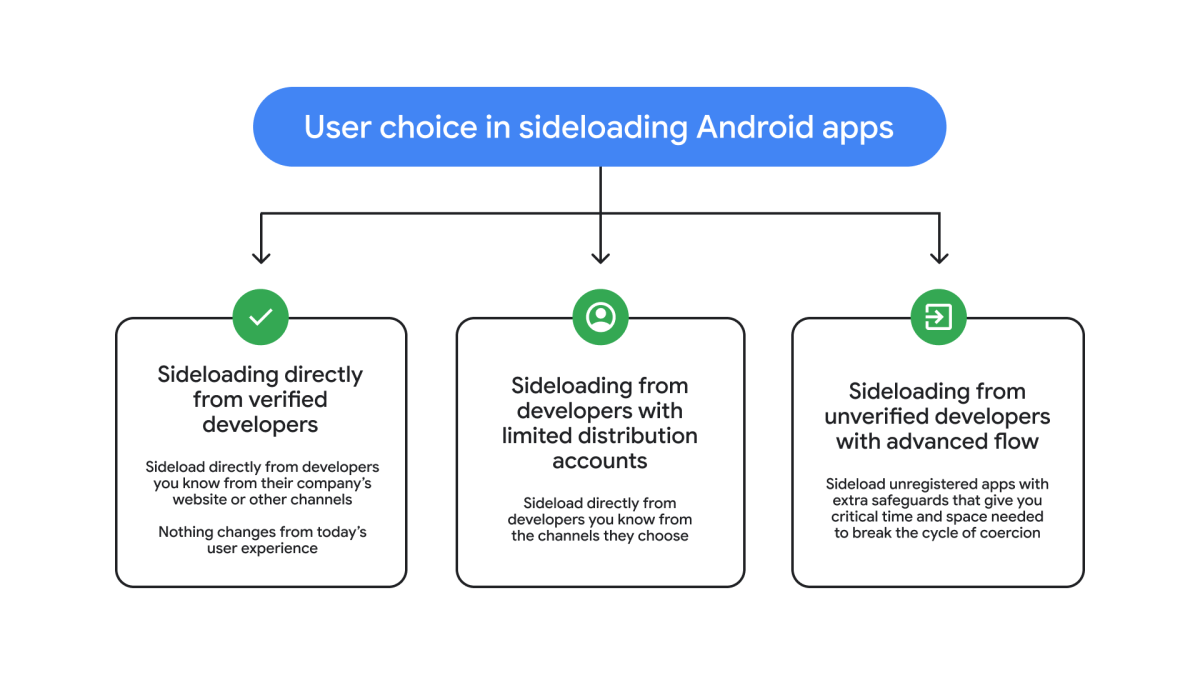
Google’s security-driven approach towards software distribution aims to combat malware but also alters the essence of Android, moving towards a more controlled ecosystem. The company’s increased involvement in approving developers for software distribution signifies a shift towards corporate control and reduced consumer choice.
The power dynamic is changing with AI subscriptions and app distribution paths being controlled by Google, limiting user flexibility and choice. The focus is now more on the services surrounding the phone rather than the device itself.
Discover more: The 5 most anticipated phones set to launch in 2026.













Win Big in 2027: Enter to Win a $500 Amazon Gift Card Giveaway!

Airbag Defect Prompts Recall of 291 Volkswagen Amaroks in South Africa

The Truth Behind genAI’s Impact on PC Ports of Classic Games, According to Banjo Kazooie: Recompiled Developer

Tech Advisor Reviews: Uncovering the Best Googlebook Prices, Key Specs, Features, Pros & Cons

Considering a Switch: How Apple’s HomePod is Changing the Game for Smart Home Devices

Rodinia Generation: Revolutionizing FashionTech to Conserve 100 Billion Litres of Water, Securing €4 Million Investment

AT&T iPhone 18 Pro Max: Troubleshooting Cellular Problems with a Hardware Swap

EPIC Smartphone FAILS that people will never forget.

2027 Honda Civic Type R: Revamped and Ready to Roar

EU Takes Action Against Instagram and Facebook for Violating Illegal Content Rules

Warning: Facebook Creators Face Monetization Loss for Stealing and Reposting Videos

Facebook’s New Look: A Blend of Instagram’s Style

Facebook Compliance: ICE-tracking Page Removed After US Government Intervention

Facebook and Instagram to Reduce Personalized Ads for European Users

InstaDub: Meta’s AI Translation Tool for Instagram Videos

Reclaim Your Account: Facebook and Instagram Launch New Hub for Account Recovery

Meta discontinues Messenger apps for Windows and macOS

Breaking Updates: Meta Connect 2025 Unveils Latest Developments
EPIC Smartphone FAILS that people will never forget.

The Best Android Launcher of 2018?

Faraday Future FF 91 – 1050 Horsepower Madness!

The Truth about the OnePlus 5T – REAL Review.

Concept Smartphones that are better than Real Smartphones

Samsung Galaxy SII Unboxing!

The SECRET to Maximise Smartphone Battery Life?

We Designed the Ultimate Gaming Smartphone of 2018!

Using the Cheapest Smartphone in the World.
-
 Facebook12 months ago
EU Takes Action Against Instagram and Facebook for Violating Illegal Content Rules
-
 Facebook12 months ago
Warning: Facebook Creators Face Monetization Loss for Stealing and Reposting Videos
-
 Facebook10 months ago
Facebook’s New Look: A Blend of Instagram’s Style
-
 Facebook12 months ago
Facebook Compliance: ICE-tracking Page Removed After US Government Intervention
-
 Facebook10 months ago
Facebook and Instagram to Reduce Personalized Ads for European Users
-
 Facebook12 months ago
InstaDub: Meta’s AI Translation Tool for Instagram Videos
-
 Facebook10 months ago
Reclaim Your Account: Facebook and Instagram Launch New Hub for Account Recovery
-
 Apple12 months ago
Meta discontinues Messenger apps for Windows and macOS
