
Microsoft
The Future of Microsoft: 25 Years Later

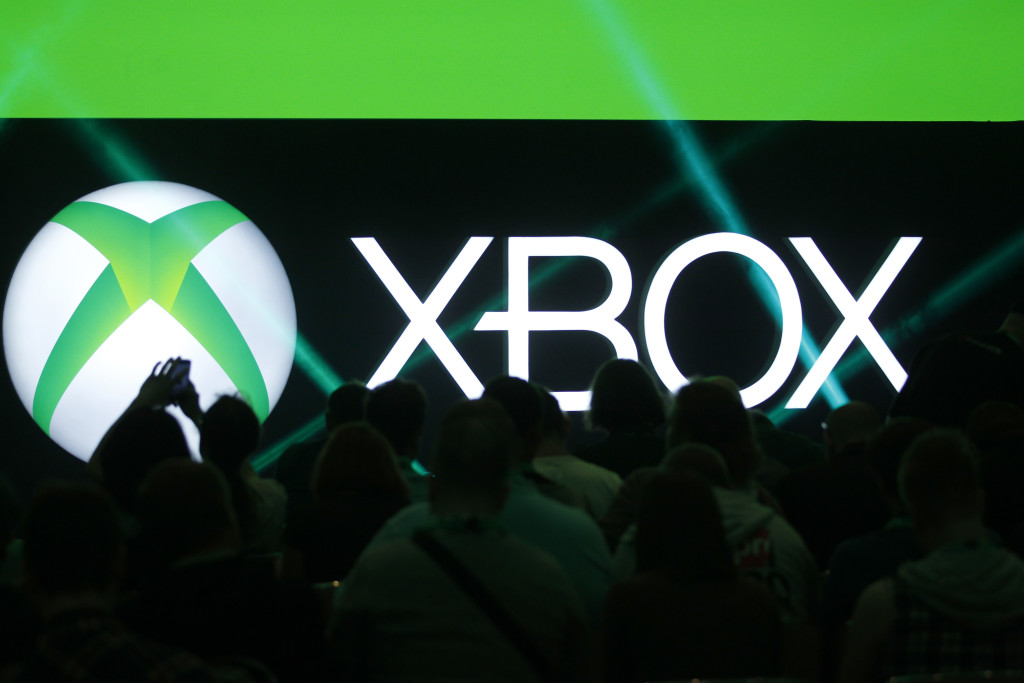
The Evolution of Microsoft’s Xbox Division
In 2007, Microsoft faced a major setback when its Xbox 360 consoles were plagued by the infamous “red ring of death.” This hardware defect cost the company over $1 billion to rectify, marking one of its costliest product failures. Despite the financial hit, Microsoft stood by its Xbox division, viewing it as a strategic investment in the living room.
Fast forward to the present day, and the landscape has shifted. The current Xbox CEO, Asha Sharma, recently highlighted the division’s financial challenges in a memo to employees. With over $20 billion spent in five years and dwindling revenue, Microsoft is now focused on turning a profit in the gaming sector.
A New Direction for Xbox
Microsoft’s CEO, Satya Nadella, emphasized the need for Xbox to become a sustainable business, moving away from years of subsidizing the division. Despite significant investments in acquisitions like Bethesda and Activision Blizzard, Xbox’s profit margins remain slim at just 3%.
The company’s hardware costs have escalated due to rising chip prices, impacting console pricing. Additionally, Xbox has struggled to compete with Sony’s PlayStation, leading to a decline in revenue over the years.
Xbox’s subscription services like Xbox Live and Game Pass have aimed to generate recurring revenue, but the shift towards subscription models has impacted game sales. Despite acquisitions, Xbox’s profit margins remain below industry standards.
Charting a New Course
To address these challenges, Microsoft is implementing strategic changes within the Xbox division. This includes a focus on flagship franchises like Halo and Fallout, leveraging Game Pass, and exploring new business models for hardware.
Recent reports suggest Microsoft may consider restructuring Xbox as a standalone entity, joint venture, or spin-off. Regardless of the outcome, the days of absorbing losses to sustain Xbox are over.
Reflecting on the past, Microsoft’s unwavering support during the red ring of death crisis was pivotal in Xbox’s survival. However, as the gaming landscape evolves, Microsoft is shifting gears to ensure Xbox’s long-term viability in a competitive market.












Tesla’s Groundbreaking Feature: Use at Your Own Risk

NO GAME NO LIFE: Grasshopper Manufacture’s Indie Leap

Strengthening Ties: GEC Enhances Ireland-UK Startup Network in the Midst of EU Discussions

Unbeatable Deal: The AirPods Pro 3 for Only $179

Breaking News: Exclusive Details on the Latest Fitbit Edge Features

Apple Store Security Alert: HK Police Demand Fix for $3.8M Fraud Loophole

Faraday Future FF 91 – 1050 Horsepower Madness!

Massive Recall: Thousands of Toyota Land Cruiser SUVs Pulled from UAE Roads

Massive’s Rise to the Top: Leading Splinter Cell, Ghost Recon, and a New Ubisoft Dieselpunk MOBA

EU Takes Action Against Instagram and Facebook for Violating Illegal Content Rules

Warning: Facebook Creators Face Monetization Loss for Stealing and Reposting Videos

Facebook’s New Look: A Blend of Instagram’s Style

Facebook Compliance: ICE-tracking Page Removed After US Government Intervention

Facebook and Instagram to Reduce Personalized Ads for European Users

InstaDub: Meta’s AI Translation Tool for Instagram Videos

Reclaim Your Account: Facebook and Instagram Launch New Hub for Account Recovery

Meta discontinues Messenger apps for Windows and macOS

Breaking Updates: Meta Connect 2025 Unveils Latest Developments
Faraday Future FF 91 – 1050 Horsepower Madness!

The Truth about the OnePlus 5T – REAL Review.

Concept Smartphones that are better than Real Smartphones

Samsung Galaxy SII Unboxing!

The SECRET to Maximise Smartphone Battery Life?

We Designed the Ultimate Gaming Smartphone of 2018!

Using the Cheapest Smartphone in the World.

Samsung Galaxy S9+ Unboxing! (Clone)

Unboxing the First Ever Samsung Galaxy S!!
-
 Facebook12 months ago
EU Takes Action Against Instagram and Facebook for Violating Illegal Content Rules
-
 Facebook12 months ago
Warning: Facebook Creators Face Monetization Loss for Stealing and Reposting Videos
-
 Facebook10 months ago
Facebook’s New Look: A Blend of Instagram’s Style
-
 Facebook12 months ago
Facebook Compliance: ICE-tracking Page Removed After US Government Intervention
-
 Facebook10 months ago
Facebook and Instagram to Reduce Personalized Ads for European Users
-
 Facebook12 months ago
InstaDub: Meta’s AI Translation Tool for Instagram Videos
-
 Facebook10 months ago
Reclaim Your Account: Facebook and Instagram Launch New Hub for Account Recovery
-
 Apple12 months ago
Meta discontinues Messenger apps for Windows and macOS
